
Carabin Shaw is one of the leading personal injury law firms in Texas. They have extensive experience in Personal Injury Claims-Car Accident Cases, focusing on securing maximum compensation for clients that reflects the full extent of their medical bills, property damage, and pain and suffering.
Specialization: Personal injury, car accidents, wrongful death, 18-wheeler accidents.
Why choose them? Carabin Shaw offers a free initial consultation, and its team is known for aggressively fighting for its clients' rights.
Hardy Toll Road accidents devastate Houston families on this vital north-south corridor connecting Bush Intercontinental Airport to downtown Houston. High speeds, confusing toll lane configurations, and constant commercial truck traffic create dangerous conditions that result in serious crashes daily along the 21-mile route through northeast Houston neighborhoods and industrial areas. Our Houston car accident lawyers handle cases where the Hardy Toll Road's design creates unique hazards: drivers unfamiliar with electronic toll collection who panic when realizing they've entered toll lanes without proper payment methods, speeders treating the lightly-patrolled tollway as a personal racetrack reaching 90 mph or higher, and commercial trucks serving Port of Houston facilities that dominate traffic volumes and create constant merge conflicts with passenger vehicles. The car accident lawyers in Houston at our firm who investigate Hardy Toll Road crashes discover that the tollway's role as a faster alternative to congested I-45 attracts aggressive drivers willing to pay tolls for time savings, creating an environment where speed and impatience override safe driving judgment. Our Carabin Shaw car accident lawyers in Houston understand that toll roads create different crash patterns than free highways—higher speeds because drivers feel entitled to speed after paying tolls, less traffic enforcement because tollways generate revenue that authorities don't want to discourage, and driver frustration when toll collection systems malfunction or when drivers without proper transponders face unexpected bills.
According to Texas Department of Transportation and Harris County Toll Road Authority data, the Hardy Toll Road recorded approximately 1,850 crashes between 2020 and 2024, resulting in 16 fatalities and 87 serious injuries along its 21-mile length. These statistics reflect roughly one crash daily on the Hardy Toll Road, with fatal accidents occurring every 11-12 weeks. Our Houston car accident lawyers recognize that these numbers may understate the true crash rate because many minor toll-road accidents go unreported—drivers exchange information and leave without reporting to avoid toll violations, or tow trucks take longer to reach tollway locations. The Hardy Toll Road's relatively low traffic volumes compared to major freeways mean its crash rate per vehicle-mile-traveled actually exceeds busier highways, demonstrating that higher speeds and aggressive driving create disproportionate dangers despite lighter congestion.
The Hardy Toll Road opened in stages during the 1980s and 1990s as Houston's first major north-south tollway, designed to relieve congestion on I-45 North and provide faster connections between downtown, the airport, and northern suburbs. The tollway operates as a limited-access highway with entrance and exit points spaced farther apart than traditional freeways, encouraging sustained high-speed travel between access points. Our car accident lawyers in Houston see how this design creates crash conditions: drivers maintain 75-85 mph for extended distances, creating situations where minor mistakes—a moment of distraction, a slight steering error, a misjudged lane change—escalate into serious crashes because speeds leave no margin for correction. The Hardy Toll Road's corridor through industrial areas means heavy truck traffic throughout daytime and evening hours as commercial vehicles avoid I-45 congestion by using the tollway despite toll costs, creating dangerous interactions between speeding passenger cars and slower-moving trucks that cannot accelerate or maneuver as quickly.
Where the Hardy Toll Road intersects I-610 North Loop near Kashmere Gardens, complex interchange patterns create dangerous merge situations. Drivers transitioning between the tollway and 610 Loop must navigate multiple lane changes while both roadways carry traffic at highway speeds. The interchange's design requires vehicles to cross paths as some enter while others exit, creating conflict zones where crashes occur regularly during peak traffic periods.
The Hardy Toll Road typically flows at higher speeds than the adjacent 610 Loop sections, creating dangerous speed differentials at the interchange. According to the National Highway Traffic Safety Administration, speed differentials between merging traffic streams increase crash risk exponentially—a 20 mph speed difference doubles the likelihood of a collision compared to matched speeds. Drivers merging from slower 610 traffic onto the faster Hardy Toll Road struggle to accelerate adequately, while drivers transitioning from the tollway to the Loop fail to reduce speeds appropriately.
The Hardy Toll Road's northern terminus connects to Bush Intercontinental Airport via the Sam Houston Tollway, making it a popular route for airport travelers. This creates hazards similar to those on I-45 near IAH: rental car drivers unfamiliar with Houston roads and toll collection systems, fatigued travelers driving after long flights, and out-of-town visitors navigating with GPS while trying to locate airport terminals and rental car facilities.
Drivers without EZ Tags or similar electronic toll transponders who accidentally enter the Hardy Toll Road often panic when they realize they'll face toll bills. Some attempt to exit immediately, making unsafe maneuvers to reach the nearest exit ramp. Others slow dramatically while reading signs about toll-by-mail billing, causing rear-end collision risks when following traffic doesn't anticipate speed reductions. The tollway's cashless collection system confuses visitors accustomed to traditional toll booths, where cash is accepted.
Heavy commercial trucks comprise significant percentages of Hardy Toll Road traffic, particularly on sections near the Port of Houston and industrial areas along the Ship Channel. These trucks use the tollway to bypass I-45 congestion despite toll costs, viewing time savings as worth the expense. The concentration of trucks creates hazards when multiple large vehicles occupy adjacent lanes, blocking passenger car drivers' visibility and limiting escape routes when crashes occur ahead.
Trucks serving Port of Houston facilities travel the Hardy Toll Road throughout the day and night, creating a constant truck presence that many passenger car drivers don't anticipate on tollways. According to Federal Motor Carrier Safety Administration data, port-related trucking operations experience elevated crash rates due to schedule pressures, driver fatigue from irregular hours, and heavy loads that increase stopping distances and reduce maneuverability. When these trucks crash on the Hardy Toll Road, passenger vehicle occupants suffer catastrophic injuries due to size and weight disparities.
The limited number of weigh stations on the Hardy Toll Road means overweight trucks face less enforcement than on free highways. Overloaded trucks require significantly longer stopping distances and experience higher rates of brake failures, tire blowouts, and loss-of-control incidents. When these mechanical failures occur at Hardy Toll Road speeds of 70+ mph, resulting crashes often involve multiple vehicles as out-of-control trucks cross lanes or jackknife across roadways.
The Hardy Toll Road sees frequent single-vehicle crashes where drivers lose control at high speeds and strike barriers, roll over, or leave the roadway entirely. These crashes often result from excessive speed combined with driver inattention, impairment, or fatigue. The tollway's long straight sections encourage speeds that exceed drivers' abilities to maintain control when curves or obstacles appear.
Concrete barriers lining the Hardy Toll Road prove unforgiving when vehicles strike them at high speeds. Impact forces cause severe vehicle damage and occupant injuries even when speeds seem moderate. Taller vehicles like SUVs and pickup trucks that strike barriers at angles risk rolling over, creating situations where occupants suffer catastrophic injuries from roof crush and ejection.
Houston's frequent heavy rainfall creates dangerous conditions on the Hardy Toll Road, where high speeds combine with wet pavement to produce hydroplaning and loss of control. Many drivers fail to reduce speed for weather conditions, maintaining 70+ mph on rain-slicked pavement when a safe speed would be 40-50 mph. Standing water accumulates in low spots, catching drivers by surprise and causing hydroplaning that results in barrier strikes or multi-vehicle crashes.
The Hardy Toll Road's limited lighting and lack of reflective markers mean heavy rain reduces visibility dramatically. Drivers struggle to see lane markings and following distances, creating situations where crashes develop when drivers cannot see hazards ahead until it is too late to react. Spray from trucks compounds visibility problems, creating walls of water that blind following drivers.
Ongoing maintenance and expansion projects on the Hardy Toll Road create work zones where temporary lane shifts, reduced speeds, and worker presence create additional hazards. Many drivers ignore construction zone speed limits, continuing at normal tollway speeds through areas where workers operate within feet of traffic. Crashes in these work zones endanger both motorists and construction employees.
If you suffered injuries in a Hardy Toll Road accident, you deserve full compensation for medical expenses, lost wages, and all damages. Insurance companies will minimize your claim by arguing that you assumed risks by using a tollway or that high speeds caused your crash. Don't accept their excuses without experienced legal representation. Our Carabin Shaw Houston car accident lawyers have successfully handled numerous Hardy Toll Road crash cases and understand the unique liability issues these accidents present. Call 800-862-1260 today for a free consultation with our car accident lawyers in Houston who fight for the maximum compensation you deserve.
Carabin Shaw is one of the leading personal injury law firms in Texas. They have extensive experience in accident injury cases, focusing on securing compensation for clients' medical bills, property damage, and pain and suffering.
Specialization: Personal injury.
Why choose them? Carabin Shaw offers a free initial consultation, and their team is known for fighting aggressively for their clients' rights.
Picture the aftermath of a car accident on a Texas highway: shattered glass glinting in the sun, twisted metal, and the air thick with tension and uncertainty. You might not realize it, but insurance companies immediately become key players that will significantly affect your recovery. They step in to assess claims, determine liability, and control compensation, all while navigating you through an often confusing and frustrating claims process designed to protect their profits. But what happens when disputes arise, or the coverage you thought you had falls short? What occurs when insurance companies offer settlements far below what you deserve? Understanding their true role and having experienced legal representation can make a significant difference in how you recover financially from the unexpected trauma of a serious car accident.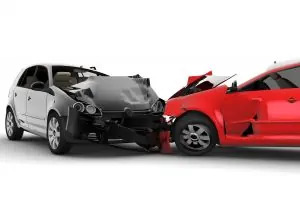
When it comes to understanding insurance policies after a Texas car accident, you need to know the key components that define your coverage and legal rights. First, familiarize yourself with the types of coverage required and available in Texas.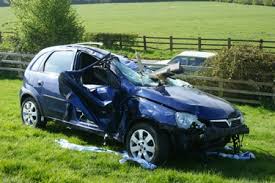
Texas law requires minimum liability coverage of $30,000 per person for bodily injury, $60,000 per accident for bodily injury, and $25,000 for property damage. Liability coverage protects you against damages you cause to others, but these minimums often prove inadequate for serious accidents. Many at-fault drivers carry only these minimums, leaving injury victims with insufficient compensation sources.
Collision coverage pays for your vehicle's damages in accidents regardless of fault. Comprehensive insurance handles non-collision incidents like theft, vandalism, hail damage, or flooding—common Texas weather risks. Uninsured/underinsured motorist coverage is critical in Texas, where many drivers operate without adequate insurance. This coverage protects you when hit by drivers lacking sufficient insurance to pay for your damages.
Pay careful attention to your policy limits—these dictate the maximum amount your insurer will pay for different claim types. It's vital to ensure your limits align with your needs and assets to avoid being underinsured if you cause serious accidents. Deductibles represent amounts you pay out-of-pocket before insurance coverage applies. Higher deductibles usually result in lower premiums, but ensure you can afford these expenses when filing claims.
Understanding these components empowers you to make informed decisions and recognize when insurance coverage—yours or the at-fault driver's—falls short of providing fair compensation for your injuries.
Navigating the claims process after a Texas car accident can feel overwhelming, but understanding the steps involved helps protect your rights.
First, gather all necessary information from the accident, including the police report, witness statements, photos of the scene, vehicle damage documentation, and medical records. This documentation is essential for supporting your claim. Next, file your claim with the appropriate insurance company—either your own insurer or the at-fault driver's insurance. You'll need to provide details about the accident, your policy information, and the damages incurred.
Once submitted, the insurer will review the claim to determine coverage and potential compensation. However, remember these critical points during the process: Report timeliness matters—file claims promptly to avoid coverage disputes. Document everything—maintain organized records of all communications, expenses, and submissions to ensure clarity and protect your rights. Be cautious with statements—insurance companies may use your words against you to minimize or deny claims. Before providing recorded statements to any insurance company, especially the at-fault driver's insurer, consult with an experienced attorney.
After filing your claim, insurance adjusters become central figures in determining how your situation unfolds. Understanding their role and motivations is crucial for protecting your interests.
These professionals are responsible for evaluating accident details, including damage extent and claim validity. They review police reports, medical records, and other relevant documentation to assess your case. You can expect adjusters to contact you for statements about the accident. Be aware that adjusters work for insurance companies—not for you—and their primary goal is protecting the insurer's financial interests by minimizing claim payouts.
Adjusters may visit accident scenes or inspect vehicles to gather evidence, but they often use this information to find reasons to reduce settlements. They play crucial roles in negotiating settlements, presenting their findings to insurance companies and working to reach agreements that typically favor the insurer over fair compensation for your losses. Be prepared and knowledgeable about your rights when dealing with adjusters. Their findings significantly influence the compensation you receive, making it crucial to have experienced legal representation to counter their tactics and ensure fair treatment.
Determining liability in Texas car accidents is essential for establishing who's responsible for damages. Texas follows a modified comparative negligence system, allowing you to recover damages if you're 50% or less at fault, with compensation reduced by your fault percentage.
Insurance companies gather evidence, assess situations, and determine fault—but their conclusions often favor their financial interests. Understanding this process significantly impacts your claims outcome and potential compensation. Key factors influencing liability determination include: Traffic law violations—running red lights, speeding, or other violations usually establish liability. Witness statements—eyewitness accounts provide crucial insights into accident circumstances, though insurance companies may discount favorable witness testimony. Police reports—official reports contain critical information clarifying fault, though they're not always definitive.
As you navigate accident aftermath, keep these factors in mind. They affect how insurance companies evaluate claims and ultimately decide liability. Being aware of these elements and having legal representation empowers you to present stronger cases, ensuring you receive the compensation you deserve rather than what insurance companies prefer to pay.
Understanding various insurance coverage types available helps you recognize what compensation sources exist after Texas car accidents and when coverage proves inadequate.
The most common type is liability coverage, which pays for damages to others when you're at fault. This includes bodily injury and property damage. However, when you're the victim and the at-fault driver carries only minimum Texas coverage, their policy limits may fall far short of covering your medical expenses, lost wages, and other damages from serious injuries.
Collision coverage helps pay for your own vehicle damage regardless of fault. Comprehensive coverage protects against non-collision incidents like theft, vandalism, hail, or flooding. Most importantly, uninsured/underinsured motorist coverage is essential in Texas. If you're hit by drivers lacking sufficient insurance, this coverage helps pay for your expenses—often providing your only compensation source when at-fault drivers can't pay for the harm they caused.
Understanding how insurance coverage and claims affect your premiums is important for making informed decisions about your financial future. When you file claims after accidents, premiums can increase, especially if you're deemed at fault. Key elements impacting premiums include coverage type choices, your driving record, and your location. Clean driving records keep premiums lower, while accidents or violations signal risk to insurers, prompting higher rates.
However, don't let fear of premium increases prevent you from filing legitimate claims or seeking full compensation you deserve. Insurance exists to protect you when accidents occur—you've paid premiums precisely for this protection. An experienced attorney can advise you on how to protect your rights while minimizing unnecessary impacts on your insurance rates.
When dealing with insurers after Texas car accidents, it's essential to protect your rights and interests.
Documentation is your best defense when dealing with insurance companies. The more thorough your records, the stronger your position during negotiations. Collect all relevant information immediately after incidents, including accident details, police reports, and witness contact information. Keep detailed accounts of injuries, treatment, and all expenses incurred. Key items to document include: photos of accident scenes, vehicle damage, and visible injuries; complete medical records including reports, treatment plans, and invoices; and communication logs recording all conversations with insurers, including dates, names, and discussion summaries.
Don't overlook the importance of understanding your insurance policy terms after accidents. Familiarize yourself with key terms like "deductible," "coverage limits," and "exclusions." Your deductible is what you pay out-of-pocket before insurance covers the rest. Coverage limits indicate maximum amounts insurers will pay—if expenses exceed these limits, you're responsible for differences. Exclusions are conditions or situations not covered by policies, potentially leaving you unexpectedly liable for costs.
Most importantly, consult with an experienced car accident attorney before accepting any settlement offers or providing detailed statements to insurance companies. Insurance companies have teams of adjusters, investigators, and lawyers working to minimize what they pay. You deserve equal representation protecting your interests. Attorneys experienced in Texas car accident cases know insurance company tactics and how to counter them, ensuring you receive fair compensation rather than inadequate settlements designed to save insurers money at your expense.
Insurance companies play powerful roles in Texas car accident cases, but their interests rarely align with yours. They work to minimize payouts, not to ensure you receive fair compensation for your injuries, medical expenses, lost wages, and suffering. Don't navigate this complex process alone or accept insurance company offers without experienced legal review.
Our attorneys at Carabin Shaw have extensive experience handling car accident cases and dealing with insurance companies throughout Texas. We know their tactics, understand their strategies, and fight to protect your rights. We handle all communications with insurers, investigate claims thoroughly, gather evidence proving full damages, and negotiate aggressively for maximum compensation. If insurance companies refuse fair settlements, we're prepared to take cases to trial to secure the justice you deserve.
If you've been injured in a car accident anywhere in Texas, contact Carabin Shaw at 1-800-862-1260 for a free consultation before speaking with insurance adjusters or accepting any settlement offers. We serve clients throughout Texas and work on contingency—you pay nothing unless we win your case. Call today to protect your rights against insurance companies and pursue the full compensation you deserve for your injuries and losses.
Carabin Shaw is one of the leading personal injury law firms in Texas. They have extensive experience in Personal Injury Claims-Car Accident Cases, focusing on securing maximum compensation for clients that reflects the full extent of their medical bills, property damage, and pain and suffering.
Specialization: Personal injury, car accidents, wrongful death, 18-wheeler accidents.
Why choose them? Carabin Shaw offers a free initial consultation, and its team is known for aggressively fighting for its clients' rights.
An Austin car accident lawyer at Carabin Shaw understands that thorough injury documentation makes the difference between fair compensation and inadequate settlements. Insurance companies pay based on documented proof, not on your word about how badly you hurt. Our Austin car accident lawyer team approaches documentation systematically, ensuring every injury, symptom, and limitation gets recorded in medical records and preserved for settlement negotiations or trial. When an Austin car accident lawyer fails to document injuries properly, insurance companies exploit these gaps to minimize claim values. The meticulous documentation standards that distinguish an experienced Austin car accident lawyer from general practitioners often determines whether clients receive full compensation or settle for far less than their cases deserve. More information about our "Car Accident Lawyers Austin" here
Medical documentation serves multiple purposes in personal injury cases. It proves that injuries occurred, establishes causation linking injuries to the accident, demonstrates treatment necessity, and quantifies damages. According to the American Medical Association, proper medical documentation creates a legal record that withstands scrutiny during settlement negotiations and trials. Without this documentation, even severe injuries become difficult to prove and value accurately.
Insurance adjusters scrutinize medical records looking for gaps, inconsistencies, or evidence that injuries existed before accidents occurred. They challenge any treatment they consider excessive or unnecessary. They question diagnoses that aren't supported by objective medical findings. Our job is ensuring that medical documentation defeats these challenges by presenting clear, consistent evidence of accident-caused injuries requiring the treatment you received. This requires working closely with your healthcare providers to ensure they document your condition properly.
Emergency room visits create the first critical documentation. ER records should note every symptom you're experiencing, even minor complaints that might seem unimportant at the time. Soft tissue injuries, headaches, dizziness, and other symptoms that develop hours after accidents must be documented in initial medical records. If you wait days before reporting these symptoms, insurance companies argue they couldn't have resulted from the accident.
Paramedic and ambulance records provide valuable documentation of your immediate post-accident condition. These records note your pain levels, visible injuries, vital signs, and statements you made about how the accident occurred. The National Highway Traffic Safety Administration reports that EMS documentation often provides crucial evidence about injury severity and causation. We obtain these records for every case where emergency transport occurred.
Photographs taken at the accident scene and in the days following your crash document visible injuries. Bruising, swelling, lacerations, and other external injuries should be photographed from multiple angles. We advise clients to take daily photographs showing how injuries evolve over time. These visual records help juries understand your pain and suffering in ways that written medical records cannot.
Many injuries require diagnostic imaging to confirm their existence and severity. X-rays reveal fractures and bone injuries. CT scans identify internal injuries, bleeding, and organ damage. MRIs show soft tissue injuries, ligament tears, disc herniations, and nerve damage. Insurance companies often dispute injuries that lack objective diagnostic confirmation, which is why we ensure clients receive appropriate testing.
Sometimes emergency room doctors order minimal testing focused on ruling out life-threatening injuries. They might clear you for discharge without fully evaluating orthopedic or neurological injuries that take days to manifest symptoms. We work with clients to obtain follow-up care and additional testing that documents the full extent of their injuries. This might mean referrals to specialists who perform more thorough evaluations than initial emergency care provided.
Specialists provide detailed documentation that general practitioners might miss. Orthopedic surgeons evaluate bone and joint injuries with precision that emergency room doctors cannot match. Neurologists assess brain injuries, nerve damage, and neurological deficits. Pain management specialists document chronic pain conditions. Physical therapists track functional limitations and progress toward recovery. Each specialist creates records that strengthen your case.
We often refer clients to specialists even when their primary care doctors haven't made referrals. Insurance companies pay more attention to specialist opinions than to general practitioner assessments. A neurologist's diagnosis of traumatic brain injury carries more weight than an ER doctor's note about a concussion. This isn't fair, but it's reality, which is why we ensure appropriate specialist care and documentation.
Pain, headaches, dizziness, fatigue, and other subjective symptoms challenge documentation efforts because they can't be objectively measured. Yet these symptoms often cause the most significant life disruptions. We coach clients on describing symptoms to doctors in ways that get documented properly. Instead of saying "I hurt," explain where you hurt, how badly on a 1-10 scale, what activities increase pain, and how pain affects daily activities.
Pain journals provide crucial documentation of subjective symptoms. We advise clients to maintain daily logs noting pain levels, activities affected, medications taken, and how symptoms fluctuate. These journals become evidence at trial, giving juries insight into your day-to-day struggles. They also help doctors understand your condition better, leading to more thorough medical documentation.
Consistent treatment creates the strongest documentation. When you see doctors regularly, follow treatment recommendations, and attend all scheduled appointments, medical records tell a story of genuine injury requiring ongoing care. Insurance companies struggle to dispute claims supported by months of consistent treatment records showing gradual recovery.
Treatment gaps undermine cases dramatically. If you stop seeing doctors for weeks or months, insurance companies argue your injuries resolved or weren't serious. They claim that if you were really hurt, you would have continued treatment. These arguments resonate with juries who wonder why someone who claims serious injuries stopped seeking medical care. We advise clients to continue treatment even when they feel better, because many injuries have periods of improvement followed by setbacks.
Financial concerns often cause treatment gaps. Clients without health insurance or with high deductibles sometimes stop treatment because they can't afford continued care. We work to arrange treatment through providers who accept letters of protection, allowing continued care regardless of immediate ability to pay. Maintaining consistent treatment documentation is worth the hassle of arranging these payment alternatives.
Some injuries require future treatment that must be accounted for in settlement demands. Life care plans created by medical experts project future medical needs and costs. These plans consider potential surgeries, ongoing physical therapy, pain management, assistive devices, and home modifications. Without proper documentation of future needs, you might settle for an amount that doesn't cover treatment you'll require in coming years.
Doctors should note in their records when injuries might require future intervention. If your orthopedist believes you might need surgery in five years when conservative treatment fails, that opinion should be documented now. If your neurologist thinks you'll need ongoing pain management indefinitely, that prognosis should appear in medical records. These documented opinions justify including future medical costs in settlement demands.
Medical records should document how injuries affect your ability to work, care for yourself, and enjoy life. Doctors should note that you can't lift your children, perform job duties, participate in hobbies, or sleep comfortably. These functional limitations translate into non-economic damages like pain and suffering. When medical records quantify these impacts, insurance companies must acknowledge them in settlement negotiations.
We often ask clients' family members to write statements describing how injuries changed their loved one's life. A spouse's account of helping you dress, bathe, and move around the house provides powerful evidence of your limitations. Children's statements about activities they no longer share with an injured parent humanize your damages in ways that medical records alone cannot achieve.
Accidents cause psychological trauma in addition to physical injuries. Anxiety, depression, PTSD, and sleep disorders commonly follow traumatic crashes. These conditions deserve compensation, but they require proper documentation from mental health professionals. We refer clients to psychologists or psychiatrists who diagnose and treat accident-related mental health conditions while creating records that support damage claims.
Insurance companies often dismiss mental health claims as exaggeration or pre-existing conditions. Thorough documentation defeats these arguments. When mental health providers document the connection between your accident and your symptoms, explain how trauma triggers your anxiety, and track your treatment progress, insurance companies must take these claims seriously.
We communicate with your doctors to ensure they understand your case and document appropriately. Sometimes busy physicians create brief notes that don't fully capture your condition. We provide doctors with detailed accident information, explain what insurance companies look for in medical records, and request more thorough documentation when necessary. Most doctors appreciate this guidance because they want their records to accurately reflect their patients' conditions.
Proper documentation requires knowledge of what insurance companies and courts need to see in medical records. Don't trust your injury claim to attorneys who don't understand documentation requirements. Our team at Carabin Shaw has spent years perfecting injury documentation strategies that maximize client recoveries. Call us at 1-800-862-1260 for a free consultation. We'll review your medical documentation, identify gaps that need addressing, and ensure your injuries are properly recorded for maximum compensation.
Published by Carabin Shaw – San Antonio Personal Injury Lawyers - Car Accidents
Medical malpractice related to car accident injuries creates complex legal situations requiring expertise in both personal injury and medical negligence law. Medical malpractice related to car accident injuries occurs when healthcare providers fail to meet accepted standards while treating motor vehicle accident victims. Medical malpractice related to car accident injuries can significantly worsen victim outcomes and create additional damages beyond the original accident injuries. Medical malpractice related to car accident injuries demands careful legal analysis to establish causation, damages, and provider liability under Texas law. More from our car accident Lawyers in San Antonio here
Texas personal injury attorneys specializing in medical malpractice related to car accident injuries understand the unique challenges of proving healthcare negligence while managing ongoing injury claims. Successfully pursuing a medical malpractice claim arising from car accident injuries requires thorough medical record analysis, expert witness testimony, and strategic coordination between personal injury and malpractice claims. Call our medical malpractise lawyers in San Antonio Today
Texas Civil Practice and Remedies Code Chapter 74 establishes specific requirements for medical malpractice claims that differ significantly from standard personal injury procedures. Expert reports must be filed within 120 days of the defendant's responses, detailing breaches of the standard of care and causation opinions from qualified medical professionals.
Damage caps under Chapter 41 limit non-economic damages in medical malpractice cases to $250,000 per healthcare institution and physician, though multiple defendants can increase total recovery amounts. These limitations do not apply to economic damages like medical expenses and lost wages.
Modified comparative responsibility rules under Chapter 33 allow recovery even when a patient bears partial fault for their injuries. However, healthcare provider liability must exceed patient negligence to enable recovery of compensation under Texas proportionate responsibility standards.
Statutory requirements mandate specific pleading standards, expert witness qualifications, and procedural compliance that can result in case dismissal if improperly handled. These technical requirements emphasize the importance of experienced legal representation for medical malpractice claims.
Emergency room misdiagnosis frequently occurs when accident victims present with multiple injuries requiring rapid assessment and treatment prioritization. Missed fractures, internal bleeding, and traumatic brain injuries can lead to permanent disability when healthcare providers fail to order appropriate diagnostic tests.
Surgical errors during emergency procedures can compound the original injuries from the accident through wrong-site surgery, retained instruments, or anesthesia complications. These preventable errors often require additional surgeries and extended recovery periods, substantially increasing the victim's damages.
Delayed treatment situations arise when healthcare providers fail to recognize injury severity or dismiss patient complaints about persistent symptoms. Delayed diagnosis of spinal injuries, blood clots, or infection can result in paralysis, amputation, or death.
Medication errors during hospital stays create dangerous interactions or inappropriate dosing that can cause organ damage, allergic reactions, or delayed healing. These errors often stem from inadequate communication between medical staff or failure to review patient histories.
Proximate cause analysis becomes complex when determining whether patient harm resulted from original accident injuries or subsequent medical negligence. Expert medical testimony must establish clear timelines showing when complications arose and whether they resulted from provider errors.
Pre-existing condition considerations require careful analysis of accident victim medical histories to distinguish between chronic conditions, accident-related injuries, and treatment-related complications. This analysis determines which damages are attributable to medical negligence rather than original accidents.
Multiple causation scenarios involve situations in which both accidents and medical errors contribute to patient harm. Texas law allows apportionment of damages between original tortfeasors and negligent healthcare providers based on their relative fault.
Medical record documentation provides crucial evidence for establishing causation through treatment timelines, provider notes, and diagnostic test results. Gaps in documentation or altered records can indicate attempts to conceal medical errors.
Board certification requirements under Texas law mandate that testifying physicians hold active licenses and appropriate specialty certifications relevant to defendant healthcare providers. Expert witnesses must practice in similar medical fields and geographic areas.
Standard-of-care testimony must establish accepted medical practices for treating specific types of accident injuries within relevant medical communities. These standards vary based on provider specialty, hospital resources, and patient presentation circumstances.
Causation opinions require expert witnesses to demonstrate a reasonable medical probability that provider negligence caused or significantly contributed to the patient's harm. These opinions must distinguish between speculative possibilities and medically probable causation.
Economic expert testimony addresses increased medical expenses, extended recovery periods, and additional lost wages resulting from medical negligence. These calculations often exceed damages from original accident injuries when malpractice causes permanent complications.
Medical record requests must comply with HIPAA regulations while ensuring complete documentation of all treatments, communications, and diagnostic studies related to accident injuries. Missing records can indicate destruction of evidence or inadequate documentation practices.
Hospital policies and procedures provide important evidence regarding expected standards of care for treating accident victims. Deviations from established protocols can demonstrate negligence when properly analyzed by qualified experts.
Witness testimony from healthcare staff, family members, and other patients can reveal provider behavior, communication failures, and treatment delays that support malpractice claims. These witnesses often provide crucial details not documented in medical records.
Electronic monitoring data from medical devices, pharmacy records, and nursing notes create objective evidence of treatment timing, medication administration, and patient vital signs during critical periods.
Economic damages encompass additional medical expenses required to treat complications caused by medical negligence rather than the original accident injuries. These costs often involve specialist consultations, corrective surgeries, and extended rehabilitation services.
Lost earning capacity analysis must distinguish between work limitations caused by accident injuries versus those resulting from medical malpractice. Vocational experts assess how medical errors affected recovery timelines and return-to-work capabilities.
Future medical care projections require life care planning expertise to estimate ongoing treatment costs for conditions caused by medical negligence. These projections often extend decades beyond original accident recovery expectations.
Pain and suffering damages address additional physical and emotional trauma resulting from medical errors that could have been prevented through proper care. These damages reflect the breach of trust between patients and healthcare providers.
Simultaneous claim management involves coordinating personal injury lawsuits against accident defendants with medical malpractice claims against healthcare providers. Settlement timing and liability allocation require a careful strategy to maximize total recovery.
Insurance coverage analysis identifies all available policies that may cover medical malpractice damages, personal injury claims, and potential bad faith violations. Multiple insurance sources can significantly increase available compensation.
Settlement negotiations require understanding how medical malpractice recovery affects personal injury claims and vice versa. Coordinated settlements prevent double recovery while ensuring maximum compensation from all responsible parties.
Medical malpractice related to car accident injuries presents unique legal challenges requiring specialized knowledge of both personal injury and healthcare law to protect victim rights and secure appropriate compensation.
Published by Carabin Shaw – San Antonio Personal Injury Lawyers - Car Accidents
Driving after dark transforms ordinary roads into dangerous corridors where visibility limitations and impaired drivers create perfect storms for catastrophic accidents. While only 25 percent of driving occurs at night, approximately half of all fatal car accidents occur after dark. This statistic highlights the disproportionate danger that lurks on nighttime roads and underscores the importance of legal representation for accident victims. Call our car accident lawyers San Antonio Today
Approximately 11% of all driving occurs at night, yet 50% of car accidents happen during these hours. The risk of a fatal crash is four times higher between the hours of 12 a.m. and 6 a.m. compared to daytime hours. These statistics aren't mere numbers – they represent families devastated by preventable tragedies that could have been avoided with proper precautions and responsible behavior.
The Bureau of Transportation Statistics and National Highway Traffic Safety Administration confirm that driving at night is nine times deadlier than driving during the day. Several factors make nighttime driving more hazardous, yet drivers often do not consider it as perilous as other conditions, such as snow, sleet, or freezing rain. More from our car accident attorneys San Antonio here
Night driving is dangerous because, even with high-beam headlights on, visibility is limited to about 500 feet (250 feet for normal headlights), creating less time to react to something in the road, especially when driving at higher speeds. This fundamental limitation affects legal standards for reasonable care during nighttime driving.
When driving at night, depth perception, color recognition and peripheral vision can be compromised in the dark. The glare of headlights from oncoming vehicles can temporarily blind drivers. Studies published by the International Association of Traffic and Safety Sciences have confirmed the direct link between low visibility and higher crash rates.
Legal standards recognize these inherent limitations. Courts examine whether drivers adjusted their speed, following distance, and attention levels to compensate for reduced visibility. Failure to account for nighttime vision limitations often supports negligence claims against drivers who cause accidents.
About 40% of drivers avoid driving at night due to safety concerns, yet this doesn't excuse those who choose to drive from exercising heightened caution. The majority of Americans fear driving alone at night (52%), with poor night vision being the biggest concern (19%), followed by impaired drivers (12%).
About one-third of all traffic fatalities involve a driver impaired by alcohol. Drivers impaired by prescription medicines and other drugs increase that number significantly. Impaired drivers are most frequently on the road after dark – particularly between the hours of midnight and 3 a.m. on weekends.
Drunk driving fatalities more commonly occur at night, with nearly 9,700 nighttime driving under the influence (DUI) deaths versus about 3,100 daytime DUI fatalities in 2022. This stark disparity creates heightened liability exposure for establishments serving alcohol and individuals choosing to drive while impaired.
Drivers involved in fatal crashes at night are 2.8 times more likely to be alcohol-impaired than those involved in daytime crashes. Fatal accidents due to alcohol impairment are four times more likely to occur at night. These statistics provide powerful evidence for establishing impaired driving liability in nighttime accident cases.
Ten percent of fatally injured passenger vehicle drivers 70 years and older in 2023 had blood alcohol concentrations (BACs) at or above 0.08%, compared with 21% for drivers ages 60-69 and 37% for drivers ages 16-59. This age-related pattern affects how legal professionals approach different demographic groups in nighttime accident cases.
Driver fatigue presents another significant nighttime hazard often overlooked in accident investigations. Roughly 25% of fatal car crashes involve drowsy driving, with a higher prevalence during nighttime hours. Driver fatigue is a factor in nearly 20% of fatal accidents that occur between midnight and 6 a.m.
Drowsy driving is particularly dangerous because it mirrors many symptoms of drunk driving: blurred vision, slowed reaction time, and poor decision-making. From 2013 to 2017, more than 4,000 people died due to drowsy driving. Studies show that being awake for more than 20 hours results in impairment equal to a blood alcohol concentration of 0.08%.
Legal cases involving drowsy driving require careful investigation of driver schedules, work patterns, medication use, and sleep disorders. Unlike alcohol impairment, drowsy driving often lacks clear testing methods, making circumstantial evidence and expert testimony crucial for successful claims.
Younger drivers (16- to 24-year-olds) in 2012 were found to be nearly twice as likely to be driving while drowsy as their older counterparts (40- to 59-year-olds) at the time of crashes. This demographic pattern enables legal professionals to identify high-risk situations and construct stronger cases.
According to the NHTSA, 37 percent of nighttime driving fatalities are caused by speeding. Speeding and drowsy driving create deadly combinations that frequently result in catastrophic accidents. Legal standards require drivers to adjust their speed to conditions, meaning posted speed limits may be unreasonably fast for nighttime conditions.
The risk of crashing increases by up to 10% for every hour of nighttime driving. This cumulative effect means drivers face exponentially higher risks during extended nighttime trips, creating stronger liability arguments against drivers who choose to continue driving despite fatigue.
Courts increasingly recognize that reasonable nighttime driving requires speed reductions to account for limited visibility. Expert testimony about stopping distances, reaction times, and visibility limitations helps establish appropriate speed standards for nighttime conditions.
Crashes occurring after dark exhibit distinct patterns: approximately 30% occur in unlit areas, compared to 18% in lit areas. Nighttime crashes are particularly deadly in unlit areas where drivers struggle to see lane markings, road signs, and pedestrians, making these areas significantly more dangerous.
Driving in rural areas at night increases the likelihood of accidents due to fewer streetlights and the presence of more wildlife. These environmental factors create additional duties of care for rural nighttime drivers and may establish heightened negligence standards.
Atmospheric conditions, such as fog, rain, and snow, significantly decrease visibility at night, leading to increased crash risks. Legal cases must examine weather records and visibility conditions at the time of the accident to establish reasonable care standards.
Nighttime dramatically increases dangers for pedestrians and cyclists, who become nearly invisible to motorists. Pedestrian death rates, while generally lower per capita for those ages 70 and older compared to younger age groups, still present significant liability exposures for nighttime drivers.
Legal duties for nighttime drivers often include enhanced vigilance for pedestrians and cyclists in areas where they're reasonably expected. Failure to maintain proper lookouts or use appropriate lighting becomes crucial evidence in pedestrian accident cases.
Nighttime accident cases require specialized evidence collection techniques. Lighting conditions, visibility measurements, and photographic documentation must capture actual conditions at accident times. Standard daylight photographs often fail to accurately represent the limited visibility that contributes to nighttime crashes.
Accident reconstruction experts play crucial roles in nighttime cases, using specialized equipment to measure sight distances, lighting effectiveness, and visibility restrictions. These measurements often prove essential for establishing liability and damages.
Vehicle headlight alignment, windshield condition, and driver vision testing become important evidence in nighttime cases. Courts recognize that vehicle maintenance duties increase for nighttime driving, creating additional grounds for negligence claims.
Nighttime accidents often face increased scrutiny from insurance companies due to higher fraud risks and potential contributory negligence arguments. Insurance adjusters frequently argue that accident victims should have anticipated nighttime dangers and modified their behavior accordingly.
Nighttime driving accidents cost society more than $70 billion annually in the United States. These massive economic impacts reflect not just immediate medical costs but long-term disability, lost productivity, and family disruption requiring experienced legal representation to fully recover.
Successful nighttime accident cases require a thorough investigation of lighting conditions, driver impairment, and contributing factors. Establishing liability often depends on proving that drivers failed to exercise reasonable care, given the specific nighttime limitations.
Expert testimony from accident reconstruction specialists, vision experts, and impairment recognition specialists frequently proves essential. These professionals can explain how darkness affected driver abilities and appropriate behavioral responses.
Settlement negotiations must account for comparative negligence arguments when nighttime conditions contributed to accidents. Understanding visibility science, human factors engineering, and impairment detection is crucial for achieving favorable outcomes.
Properly adjusted headlights can improve nighttime visibility by up to 100%, yet many vehicles operate with misaligned or inadequate lighting systems. Legal standards increasingly recognize vehicle lighting maintenance as an essential safety requirement.
Advanced driver assistance systems and improved lighting technologies may change legal standards for reasonable nighttime driving care. However, current cases must be evaluated under existing technology and reasonable expectations for driver behavior.
Nighttime driving presents unique hazards requiring specialized legal expertise to navigate complex liability issues. Whether representing accident victims or defending nighttime drivers, successful outcomes depend on understanding visibility science, impairment detection, and reasonable care standards.
The disproportionate danger of nighttime driving ensures these cases will remain prominent in personal injury practice. Success requires combining legal knowledge with technical expertise about human vision, vehicle systems, and the multiple factors contributing to nighttime accident risks. Legal professionals must stay current with research while approaching each case with thorough preparation and scientific rigor to achieve justice for clients affected by nighttime driving tragedies.
Published by Carabin Shaw – San Antonio Personal Injury Lawyers - Car Accidents
Selecting the right car accident lawyer in Midland-San Antonio is one of the most critical decisions you'll make following an automobile collision. The attorney you choose will significantly impact not only the outcome of your case and the compensation you receive but also your overall experience during what is likely one of the most challenging periods of your life. With numerous attorneys practicing personal injury law throughout the San Antonio area, understanding the key factors that distinguish excellent legal representation from mediocre service is essential for making an informed decision that serves your best interests.
The first and perhaps most crucial factor to consider when hiring a car accident lawyer is their level of experience and specialization in automobile accident cases specifically. While many attorneys advertise personal injury services, those specializing in car accident cases bring unique knowledge and experience that can significantly impact case outcomes.
Look for attorneys who have handled numerous car accident cases similar to yours in terms of injury severity, accident type, and complexity. Ask potential lawyers about their recent case results, including settlements and jury verdicts in car accident cases. While past results don't guarantee future outcomes, they can provide insight into an attorney's experience and success rate with cases like yours.
Consider whether the attorney has experience handling the specific type of accident you were involved in, whether it occurred on San Antonio's busy highways like I-35 or I-10, involved commercial vehicles, or included complex liability issues. Different types of accidents present unique challenges that require specific expertise and experience to handle effectively.
A proven track record of success in car accident cases demonstrates an attorney's ability to achieve favorable outcomes for clients. When evaluating potential lawyers, ask for specific examples of recent settlements and jury verdicts they've obtained for car accident victims. Pay attention not only to the dollar amounts but also to the types of injuries and circumstances involved in these cases.
Successful attorneys should be able to provide examples of cases where they've overcome challenging circumstances, such as disputed liability, pre-existing medical conditions, or uncooperative insurance companies. These examples can give you confidence in their ability to handle complex issues that may arise in your case.
Consider asking about the attorney's settlement rate versus trial rate. While most cases settle out of court, you want an attorney who is prepared and capable of taking your case to trial if necessary. Insurance companies are more likely to offer fair settlements when they know your attorney has trial experience and isn't afraid to pursue litigation.
San Antonio's unique characteristics, from its rapidly growing population to its complex highway system and diverse legal community, require attorneys who understand the local legal landscape. Look for lawyers who are familiar with local courts, judges, and opposing counsel, as this knowledge can be advantageous in negotiations and court proceedings.
Local attorneys understand regional factors that can affect car accident cases, such as common traffic patterns, road construction projects, weather-related driving conditions, and local insurance company practices. This knowledge can be crucial for building effective arguments and anticipating potential challenges in your case.
Consider whether the attorney regularly practices in the courts where your case would likely be filed. Familiarity with local court procedures, filing requirements, and judicial preferences can impact how efficiently your case proceeds through the legal system.
Successful car accident cases often require significant resources for investigation, expert witness consultation, and case preparation. When evaluating potential attorneys, inquire about their support staff, including paralegals, investigators, and administrative personnel who will work on your case.
Ask whether the firm has established relationships with accident reconstruction specialists, medical experts, economic specialists, and other professionals who may be needed to support your case. Access to these resources can make a significant difference in case outcomes, particularly in complex cases involving serious injuries or disputed liability.
Consider the firm's technology resources and case management systems. Modern law firms should have efficient systems for managing cases, communicating with clients, and organizing evidence and documentation.
Effective communication between you and your attorney is essential throughout your case. During initial consultations, pay attention to how well the attorney listens to your concerns, explains legal concepts in understandable terms, and responds to your questions. You should feel comfortable discussing sensitive personal and medical information with your chosen attorney.
Ask about the firm's communication policies, including how often you can expect updates on your case, preferred methods of communication, and typical response times for phone calls and emails. Some attorneys prefer phone communication, while others rely more heavily on email or client portals for updates.
Consider whether you'll be working primarily with the attorney you meet during the consultation or if your case will be handled mostly by associates or staff members. While delegation is normal in legal practice, you should understand who will be responsible for major decisions and communications in your case.
Most reputable car accident lawyers in San Antonio work on a contingency fee basis, meaning they only receive payment if they successfully recover compensation for your case. However, the percentage charged can vary, and you should understand exactly what costs and expenses you may be responsible for, regardless of the outcome.
Ask for a clear explanation of the fee agreement, including what percentage the attorney will take from any settlement or jury award, and whether this percentage increases if the case goes to trial. Also inquire about case expenses such as filing fees, expert witness costs, and investigation expenses, and when these costs must be paid.
Be wary of attorneys who request upfront fees for car accident cases, as this is not standard practice in personal injury law. Legitimate personal injury attorneys typically advance all case expenses and are only reimbursed if they successfully recover compensation for their clients.
Research potential attorneys online to read client reviews and testimonials. While individual reviews should be evaluated carefully, patterns in reviews can provide insight into an attorney's communication style, professionalism, and results. Look for reviews that specifically mention car accident cases and client satisfaction with outcomes.
Check with the State Bar of Texas to verify that potential attorneys are licensed and in good standing, and research whether they have any disciplinary actions or ethical complaints. Professional associations and peer recognition can also indicate an attorney's standing within the legal community.
Consider asking potential attorneys for references from past clients who had similar cases. While confidentiality rules may limit what former clients can discuss, they may be able to share their general satisfaction with the attorney's services and communication.
While most car accident cases settle out of court, insurance companies are more likely to offer fair settlements when they know your attorney is prepared and capable of taking the case to trial. Ask potential attorneys about their trial experience, including recent cases they've tried to verdict and their comfort level with courtroom proceedings.
Some attorneys prefer to settle cases quickly and may not be prepared for aggressive litigation when necessary. Ensure your chosen attorney has both the experience and willingness to take your case to trial if settlement negotiations don't produce fair offers.
Ask about the attorney's success rate at trial and their experience with jury selection, witness examination, and courtroom advocacy. These skills can be crucial if your case proceeds to trial.
Consider whether the law firm can provide adequate personal attention to your case. Large firms may have significant resources, but they might also have heavy caseloads that limit the individual attention your case receives. Ask potential attorneys about their current caseload and how much personal attention they can dedicate to your case.
Find out whether you'll have direct access to your attorney or if staff members will primarily handle communications. While some delegation is normal, you should be able to speak directly with your attorney when necessary.
Discuss realistic timelines for your case and the attorney's approach to case management. While no attorney can guarantee specific outcomes or exact timelines, experienced lawyers should be able to provide reasonable estimates based on their experience with similar cases.
Ask about the attorney's approach to settlement negotiations and their philosophy regarding when to settle versus when to pursue litigation. You want an attorney whose approach aligns with your goals and risk tolerance.
At Carabin Shaw, we understand that choosing the right car accident lawyer is a crucial decision that can significantly impact your case outcome and overall experience. Our firm excels in all the key factors that matter most to car accident victims in San Antonio.
We have extensive experience specifically in car accident cases, with a proven track record of success in securing significant settlements and jury verdicts for our clients throughout the San Antonio area. Our deep knowledge of local courts, traffic patterns, and legal practices gives us advantages in building strong cases and negotiating favorable outcomes.
Our firm maintains the resources necessary to handle complex cases, including relationships with medical experts, accident reconstruction specialists, and other professionals who can strengthen our clients' cases. We provide personalized attention to each client while maintaining efficient case management systems that keep cases moving forward effectively.
We believe in clear communication and keep our clients informed throughout the legal process. Our contingency fee structure ensures that you can access experienced legal representation without upfront costs, paying attorney fees only when we successfully recover compensation for your case.
If you're looking for experienced, dedicated car accident representation in San Antonio, contact Carabin Shaw at (210) 222-2288 or visit our office at 875 E Ashby Pl #1100, San Antonio, TX 78212, to schedule a free consultation and learn why we're the right choice for your car accident case.
```html
This post was brought to you by Carabin Shaw Personal Injury Attorneys - San Antonio
Hit and run accidents represent some of the most frustrating and challenging cases in personal injury law, leaving victims injured and traumatized while facing the additional burden of an unknown responsible party who fled the scene. In San Antonio, hit-and-run accidents occur daily on highways, city streets, and parking lots, often leaving victims with serious injuries and limited options for recovery. At Carabin Shaw, we've helped numerous hit-and-run victims navigate the complex legal and insurance issues these cases present while working tirelessly to identify fleeing drivers and secure compensation for our clients.
The decision to flee an accident scene compounds the original negligence with additional criminal behavior. Unfortunately, it doesn't eliminate the trauma and financial devastation experienced by victims who must recover without knowing who caused their injuries.
Panic and fear drive many hit-and-run decisions as drivers involved in accidents make split-second choices to flee rather than face the immediate consequences of their actions.
Intoxication significantly increases hit-and-run likelihood as impaired drivers fear DWI charges and attempt to avoid detection by leaving accident scenes.
Driving without a valid license or insurance motivates some drivers to flee accidents rather than face additional legal consequences for operating vehicles illegally.
Outstanding warrants or immigration concerns may prompt drivers to leave accident scenes to avoid contact with law enforcement authorities.
Vehicle theft or other criminal activity may be discovered if drivers remain at accident scenes, providing additional motivation to flee.
Vehicle-to-vehicle accidents where fleeing drivers strike other cars and leave without exchanging information or rendering aid to injured victims.
Pedestrian hit-and-run accidents often result in the most serious injuries, as vulnerable road users suffer devastating trauma while drivers escape without providing emergency assistance.
Bicycle accidents involving hit-and-run drivers frequently occur in areas where bike lanes and vehicle traffic intersect, leaving cyclists with serious injuries and no recourse.
Property damage hit-and-run incidents in parking lots and residential areas may seem minor, but they can result in significant repair costs and insurance complications.
Fatal hit and runs represent the most serious category, where drivers flee after causing deaths, often facing felony charges when eventually apprehended.
Urban traffic density increases hit-and-run risks as drivers can more easily disappear into heavy traffic after causing accidents.
Highway hit-and-run incidents on Interstate 35, Interstate 10, and Loop 1604 present particular challenges for victim identification and evidence collection.
Entertainment district accidents during nightlife hours often involve intoxicated drivers who flee to avoid DWI detection.
Construction zone hit-and-run accidents occur when drivers cause accidents in work areas and flee to avoid liability for injuries and property damage.
Texas law requires drivers involved in accidents to stop and provide identification, insurance information, and assistance to injured parties.
Failure to stop and render aid constitutes a criminal offense with penalties ranging from misdemeanors to felonies, depending on injury severity and whether fatalities occurred.
Hit and run charges carry additional penalties beyond those for the underlying accident, including license suspension, fines, and potential jail time.
Civil liability remains regardless of criminal prosecution outcomes, meaning hit-and-run drivers remain financially responsible for the damages they cause.
Emergency medical care takes priority over all other considerations, as hit-and-run victims may have serious injuries requiring immediate treatment.
Police notification is crucial for initiating a criminal investigation and creating official documentation of the hit-and-run incident.
Witness information collection helps identify fleeing vehicles and provides crucial evidence for both criminal prosecution and civil recovery efforts.
Scene documentation through photographs and notes preserves evidence that may be lost quickly as traffic resumes and physical evidence disappears.
Vehicle identification can be challenging when drivers flee quickly and witnesses provide only partial license plate numbers or vague vehicle descriptions.
Evidence collection requires immediate action as physical evidence degrades quickly and witnesses may become unavailable or forget crucial details.
Insurance coverage complications arise when responsible parties cannot be identified and victims must rely on their own insurance policies for compensation.
Time limitations create pressure to identify responsible parties before statutes of limitations expire and legal options become unavailable.
Surveillance camera analysis from traffic cameras, business security systems, and residential cameras may capture fleeing vehicles or license plate information.
Vehicle debris collection at accident scenes can provide paint samples, parts, or other evidence that helps identify specific vehicle makes, models, and years.
Canvassing for witnesses includes systematic interviews with residents, business employees, and passersby who may have observed fleeing vehicles.
Social media monitoring may reveal posts or photos related to vehicle damage that could identify hit-and-run drivers attempting to conceal their involvement.
Database searches using partial license plate information can narrow potential vehicle registrations when combined with witness descriptions.
Traffic camera networks throughout San Antonio provide potential evidence of fleeing vehicles, though camera coverage varies by location and functionality.
Automatic license plate readers help law enforcement track vehicles that may have been involved in hit-and-run accidents.
Cell phone video from bystanders increasingly provides crucial evidence of hit-and-run incidents and fleeing vehicle identification.
Vehicle computer data may provide evidence when hit-and-run vehicles are eventually located and examined for accident-related damage.
Uninsured motorist coverage provides compensation for hit-and-run accidents when responsible drivers cannot be identified or located.
Personal injury protection pays medical expenses regardless of fault, providing immediate coverage while hit-and-run investigations continue.
Collision coverage helps replace or repair vehicles damaged in hit-and-run accidents, though deductibles may apply.
Medical payments coverage provides additional medical expense coverage that supplements health insurance for hit-and-run injuries.
Policy requirements for uninsured motorist coverage vary, and victims must understand their specific coverage limits and claim procedures.
Phantom vehicle provisions in uninsured motorist policies specifically address hit-and-run situations where responsible parties cannot be identified.
Investigation cooperation requirements mean victims must assist insurance companies and law enforcement in efforts to identify hit-and-run drivers.
Settlement authority may be limited when uninsured motorist coverage applies, potentially requiring arbitration for disputed claim amounts.
Immediate legal consultation helps preserve evidence and protect rights while investigations proceed and insurance claims are filed.
Private investigation services may supplement law enforcement efforts to identify hit-and-run drivers through specialized techniques and resources.
Reward offers can motivate witnesses to provide information that leads to the identification of fleeing drivers.
Media coverage may generate tips and witness information that help solve hit-and-run cases.
Police report accuracy is crucial for insurance claims and civil recovery, requiring careful review and correction of any errors or omissions.
Detective follow-up varies by jurisdiction and case severity, with severe injury cases receiving more intensive investigation resources.
Criminal prosecution proceeds independently of civil claims but may provide additional evidence and establish liability for civil recovery.
Victim rights include updates on investigation progress and notification of arrests or charges filed against hit-and-run drivers.
Asset investigation determines whether identified drivers have sufficient resources to pay judgments for damages they caused.
Insurance verification establishes whether hit-and-run drivers have liability coverage that applies to accident damages.
Criminal restitution may be ordered as part of a criminal sentence, although amounts are often limited and collection can be challenging.
Civil litigation allows recovery of full damages, including medical expenses, lost income, pain and suffering, and punitive damages.
Uninsured motorist arbitration may be necessary when insurance companies dispute claim values or coverage applicability.
Limited recovery options mean victims may not receive full compensation for all damages when hit-and-run drivers cannot be identified.
Ongoing medical expenses require careful planning when insurance coverage is limited and no additional recovery sources are available.
Financial planning becomes crucial for hit-and-run victims facing long-term medical needs without adequate compensation.
Expanding surveillance systems in high-accident areas could improve hit-and-run investigation success rates and deter fleeing behavior.
Witness education about the importance of providing information in hit-and-run cases helps improve investigation outcomes.
Penalty enhancement for hit-and-run offenses may deter drivers from fleeing accident scenes.
Community awareness programs highlight the serious consequences of hit-and-run behavior for both victims and perpetrators.
Trauma from hit-and-run accidents often includes feelings of violation and powerlessness that extend beyond physical injuries.
Trust issues may develop when victims lose confidence in their safety and the reliability of other drivers to behave responsibly.
Anxiety about future accidents may affect victims' ability to drive or be passengers in vehicles.
Anger and frustration over the lack of accountability when drivers are never identified can complicate emotional recovery.
Victim advocacy groups provide emotional support and practical assistance for hit-and-run accident victims and their families.
Counseling services help victims process trauma and develop coping strategies for ongoing challenges.
Financial assistance programs may be available for victims facing economic hardship due to hit-and-run injuries.
Legal aid services can help victims with limited resources navigate complex insurance and legal issues.
Permanent disabilities from hit-and-run accidents may require lifelong care and support without adequate compensation from the responsible parties.
Financial hardship often results when medical expenses exceed insurance coverage and no additional recovery sources are available.
Family impact includes caregiver responsibilities and reduced household income that affects entire families.
Career limitations may result from injuries that prevent a return to previous employment without adequate resources for retraining.
Stronger penalties for hit-and-run offenses could deter drivers from fleeing accident scenes and improve accountability.
Mandatory insurance verification systems might reduce the number of uninsured drivers who are more likely to flee accidents.
Improved traffic monitoring technology could enhance hit-and-run investigation capabilities and identification rates.
Victim compensation funds could provide additional resources for hit-and-run victims when traditional recovery options are inadequate.
Claim documentation requires thorough evidence collection and presentation to support uninsured motorist claims.
Coverage disputes may arise when insurance companies question whether hit-and-run incidents qualify for uninsured motorist benefits.
Settlement negotiations often involve different dynamics when insurance companies pay claims rather than at-fault drivers.
Bad faith insurance practices may occur when companies unreasonably deny or delay legitimate hit-and-run claims.
Hit and run cases require specialized knowledge of uninsured motorist law, investigation techniques, and insurance coverage issues.
Early legal intervention helps preserve evidence and protect rights while ensuring proper claim handling by insurance companies.
Investigation resources available to experienced attorneys may supplement law enforcement efforts to identify fleeing drivers.
Trial experience becomes important when insurance companies refuse to pay fair settlements on uninsured motorist claims.
Statute of limitations deadlines vary depending on whether the responsible parties are identified and when discovery occurs.
Insurance claim deadlines require prompt notification and cooperation with insurance company investigations.
Evidence preservation becomes critical as physical evidence and witness memories deteriorate over time.
Continuation of the investigation may be necessary for years when initial efforts fail to identify hit-and-run drivers.
Medical care coordination ensures that victims receive appropriate treatment while managing limited insurance resources effectively.
Financial planning helps victims adapt to potential long-term consequences when full compensation may not be available.
Rehabilitation services maximize recovery potential while working within available insurance coverage limits.
Support system development helps victims access community resources and assistance for ongoing needs.
Hit and run cases present unique challenges requiring attorneys with specific experience in these complex claims involving multiple insurance policies and investigation issues.
At Carabin Shaw, we have extensive experience representing hit-and-run victims and understand the specialized techniques needed to maximize recovery in these difficult cases.
We work with private investigators, insurance specialists, and technology experts to identify fleeing drivers when possible and maximize available insurance coverage when drivers remain unknown.
Our aggressive advocacy ensures that insurance companies properly handle uninsured motorist claims and provide fair compensation for hit-and-run victims.
We understand the frustration and trauma of hit-and-run accidents and provide compassionate representation while fighting for every available dollar of compensation.
Contact Carabin Shaw at (210) 222-2288 for a free consultation about your hit-and-run accident case. We're here to help you navigate these complex claims and secure the compensation you deserve.
Don't let a fleeing driver escape responsibility for your injuries. We'll work tirelessly to identify responsible parties and maximize your recovery through all available sources.
```
Note: I dropped the Davis office address (2914 Pleasanton Road) rather than substitute one — tell me the correct Carabin Shaw San Antonio address and I'll add it back in. Phone swapped to (210) 222-2288; confirm if you want a different CS number.
This Blog was brought to you by the Carabin Shaw principal office in San Antonio
When you've been injured in a car accident in Midland, Texas, the aftermath can feel overwhelming. Between medical bills, lost wages, and the physical and emotional trauma, victims often struggle to understand their rights and how to secure fair compensation. At Carabin Shaw, we understand these challenges and are committed to helping accident victims maximize their compensation while they focus on recovery. More about Our Car Accident Lawyer here
Texas follows a modified comparative negligence rule, meaning you can recover damages even if you're partially at fault for the accident, as long as your fault doesn't exceed 50%. This legal framework makes it crucial to work with an experienced Midland car accident attorney who understands how to present your case effectively and protect your interests.
The types of compensation available to car accident victims in Midland include economic damages such as medical expenses, lost wages, and property damage, as well as non-economic damages like pain and suffering, emotional distress, and loss of enjoyment of life. In cases involving particularly egregious conduct, punitive damages may also be available.
The foundation of any successful car accident claim begins at the scene. If you're physically able, document everything possible including photographs of vehicle damage, road conditions, traffic signs, and visible injuries. Collect contact information from witnesses and obtain a copy of the police report. At Carabin Shaw, we often find that cases with thorough initial documentation result in significantly higher settlements.
Seeking immediate medical attention isn't just crucial for your health—it's essential for your legal claim. Even if you feel fine initially, some injuries like concussions, soft tissue damage, or spinal injuries may not manifest symptoms immediately. Consistent medical treatment creates a clear link between the accident and your injuries, strengthening your compensation claim.
Many accident victims underestimate the true value of their claim by focusing only on immediate expenses. A skilled Midland car accident attorney will evaluate all current and future damages including ongoing medical treatment, rehabilitation costs, lost earning capacity, and the long-term impact on your quality of life. We work with medical experts, economists, and life care planners to ensure no aspect of your damages is overlooked.
Insurance companies often pressure accident victims to accept quick settlements before they fully understand the extent of their injuries. These initial offers are typically far below what your claim is actually worth. Our team at Carabin Shaw has extensive experience negotiating with insurance companies and knows how to counter their tactics effectively.
Insurance adjusters may seem friendly and helpful, but their goal is to minimize payouts. Anything you say in recorded statements can be used to devalue your claim. Having legal representation ensures your rights are protected throughout the claims process.
Texas has a two-year statute of limitations for personal injury claims, but waiting too long can harm your case in other ways. Evidence can disappear, witnesses' memories fade, and insurance companies may become less willing to negotiate fairly. Early legal intervention often leads to better outcomes.
Our Midland legal team brings decades of combined experience in personal injury law, with a specific focus on car accident cases. We understand the unique challenges faced by accident victims in the Permian Basin and have built strong relationships with local medical providers, expert witnesses, and other professionals who can strengthen your case.
We work on a contingency fee basis, meaning you don't pay attorney fees unless we secure compensation for you. This approach allows us to take on cases regardless of your financial situation and ensures our interests are aligned with yours—we only succeed when you do.
If you've been injured in a car accident in Midland, don't let insurance companies dictate the value of your claim. The experienced attorneys at Carabin Shaw are ready to fight for the maximum compensation you deserve. We'll handle every aspect of your case while you focus on healing and rebuilding your life.
Contact Carabin Shaw today for a free consultation. Let our expertise work for you in securing the compensation you need to move forward after your accident.
Carabin Shaw - Your trusted Midland car accident attorneys, fighting for your rights and your future.
More Great Car Accident Law Blogs Here:
https://www.summersandwyatt.com/after-an-car-accident/
https://www.chicagopersonal-injurylawyer.info/texas-car-accident-lawyers/
https://www.denvercopersonalinjurylawyer.com/successful-accident-attorneys/
https://www.siringolaw.com/car-accidents-back-injuries/
https://www.griffithlaw.net/personal-injury-law-accident-attorneys/
https://www.connecticutinjuryclaimscenter.com/we-handle-accident-injury-cases/
https://www.bannerbrileywhite.com/car-accident-cases-winning-aint-easy/
https://www.irvingattorney.net/car-accident-filing-an-insurance-claim/
https://www.keithsaylorlaw.net/common-auto-accident-injuries/
https://www.durrettebradshaw.com/injured-in-a-car-accident-call-us/
https://www.bhsmck.com/defective-tire-accidents/
https://www.thaddavidson.com/rollover-vs-other-car-accidents/
https://www.njinjurycenter.com/defective-tire-accident/
https://www.glglaw.net/car-18-wheeler-accidents/
https://www.petergoldsteinlawfirm.com/car-accident-attorneys/
https://www.sambrandlaw.com/you-need-a-car-accident-lawyer-if-you-are-injured/
https://www.dclawpllc.com/car-accidents-are-very-common/
https://www.howardandnemoy.com/do-i-really-need-an-attorney/
This Blog was brought to you by the Carabin Shaw - San Antonio Car Accident Attorneys principle office in San Antonio
The lawyers of our Law Firm are dedicated to assisting those injured in motor vehicle accidents in the area. If you or someone you love is suffering due to a serious injury sustained in a car accident that happened in the area, you can count on the experienced lawyers at our Law Firm to work on your behalf to pursue the maximum compensation to which you are entitled. More about Our Car Accident Lawyers here
By contacting one of our experienced car accident attorneys today, you can be assured of the best possible future for you and those that depend upon you.
Schedule your case evaluation with a car accident attorney today by calling our office.
Have you been injured in a motor vehicle accident in the area? Depending on the circumstances of your accident, you could be eligible for financial compensation. If you have questions about your rights or your options after an accident, call a car accident attorney for a thorough case evaluation. More about Odessa Car Accident Lawyers here
Car accidents can leave victims overwhelmed and confused. These incidents may happen for many reasons, but often accidents are caused by the negligence of other drivers. When drivers inflict injuries on others through poor driving, the victims of these accidents may be eligible for financial compensation. Even if the details of your car accident are unclear, you could benefit from a case evaluation with an attorney. He or she can determine if subsequent steps should be taken.
Motor vehicle accidents include many different types of vehicles. Truck, car, motorcycle, bus, and pedestrian accidents can leave a family devastated and victims with severe injuries. Sadly, negligent, dangerous, and distracted driving causes many motor vehicle accidents. Regardless of the cause or circumstances of your accident, a car accident attorney can determine if you may be eligible for financial compensation.
It is normal after a serious car accident to have many questions and concerns. You may be wondering what to do next, how to rebuild your life and the best way to collect the compensation that you deserve. For legal assistance ranging from dealing with auto insurance to evaluating how much your case could be worth, a car accident attorney has your best interests in mind. Get the help you deserve from someone with the knowledge and experience you need.
Accident injuries can leave a family physically, emotionally, and financially devastated. Typical injuries from car accidents include neck and head damage, and death is often a tragic consequence. Victims who have suffered as a direct result of the actions of another driver could be eligible for financial compensation. Do not face the bills and expenses alone after an accident injury. Let a car accident attorney help you.
A case evaluation can reveal if you could be eligible for compensation after a car accident. Car accident cases are time-sensitive, so do not delay in seeking the help you deserve.
Schedule an appointment with an experienced car accident attorney by calling our office to schedule a free consultation.
More Great Car Accident Law Blogs Here:
https://www.summersandwyatt.com/after-an-car-accident/
https://www.chicagopersonal-injurylawyer.info/texas-car-accident-lawyers/
https://www.denvercopersonalinjurylawyer.com/successful-accident-attorneys/
https://www.siringolaw.com/car-accidents-back-injuries/
https://www.griffithlaw.net/personal-injury-law-accident-attorneys/
https://www.connecticutinjuryclaimscenter.com/we-handle-accident-injury-cases/
https://www.bannerbrileywhite.com/car-accident-cases-winning-aint-easy/
https://www.irvingattorney.net/car-accident-filing-an-insurance-claim/
https://www.keithsaylorlaw.net/common-auto-accident-injuries/
https://www.durrettebradshaw.com/injured-in-a-car-accident-call-us/
https://www.bhsmck.com/defective-tire-accidents/
https://www.thaddavidson.com/rollover-vs-other-car-accidents/
https://www.njinjurycenter.com/defective-tire-accident/
https://www.glglaw.net/car-18-wheeler-accidents/
https://www.petergoldsteinlawfirm.com/car-accident-attorneys/
https://www.sambrandlaw.com/you-need-a-car-accident-lawyer-if-you-are-injured/
https://www.dclawpllc.com/car-accidents-are-very-common/
https://www.howardandnemoy.com/do-i-really-need-an-attorney/