What Allentown Accident Victims Need to Know About Pennsylvania Injury Claims
How Pennsylvania Law and Lehigh Valley Conditions Shape Your Personal Injury Case
Allentown's position as Pennsylvania's third-largest city and the economic center of the Lehigh Valley creates unique circumstances for accident victims pursuing compensation after serious injuries. The city's commercial districts, major transportation routes, and diverse industrial base generate thousands of accidents annually, each presenting distinct challenges that require experienced legal navigation. When serious accidents occur in Allentown, working with an experienced Allentown personal injury lawyer who knows Pennsylvania law and regional conditions provides significant advantages throughout the legal process.
Pennsylvania's Fault-Based System Benefits Injured Parties
Pennsylvania operates differently from many states when it comes to accident compensation. Rather than requiring victims to seek payment from their own insurance first, Pennsylvania allows injured parties to pursue full compensation directly from whoever caused their accident. This system benefits victims with serious injuries — but it also means insurance companies fight harder to avoid responsibility.
Pennsylvania's comparative negligence rule becomes crucial in Allentown's complex traffic environment. Even if you bear some responsibility for an accident, you can still recover compensation as long as you are less than 51 percent at fault. This rule frequently applies on busy corridors like Route 22, where multiple factors contribute to collisions. The state allows recovery for both measurable losses like medical bills and lost wages and intangible damages such as pain and suffering, but Pennsylvania's specific calculation methods require experienced advocacy to navigate effectively. The two-year statute of limitations also makes acting quickly essential — evidence disappears, witnesses forget details, and insurance companies use delays to their advantage.
Lehigh County Courts Have Their Own Personality
Every Pennsylvania county handles injury cases somewhat differently, and Lehigh County has developed its own procedures and tendencies over the years. The Court of Common Pleas follows specific scheduling patterns that experienced local attorneys know how to work with rather than against. Judges here have seen thousands of injury cases and have developed clear expectations for how evidence should be presented and arguments structured. Missing a deadline or filing paperwork incorrectly can delay a case for months or trigger dismissal. Juries in Lehigh County come from communities spanning Allentown's urban neighborhoods to the county's rural farming towns, creating diverse perspectives on appropriate compensation that local attorneys develop instincts for over years of practice.
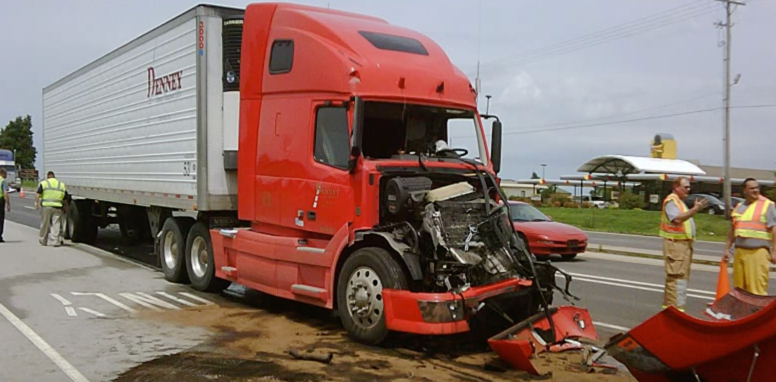
The Lehigh Valley sits at the crossroads of major transportation routes, creating accident scenarios involving multiple jurisdictions and complex liability questions. Route 22 carries a dangerous mix of high-speed through traffic and local access roads serving shopping centers and businesses. Interstate 78 brings heavy commercial traffic through the region, making truck accidents a common source of catastrophic injuries requiring attorneys who specialize in federal transportation regulations and commercial vehicle litigation. The Pennsylvania Turnpike Northeast Extension adds further complexity, particularly during winter months when weather conditions and out-of-state drivers with different insurance requirements are involved. When accidents occur because local roads cannot safely handle current traffic volumes, liability questions may extend to municipal governments and their road design decisions.
The Lehigh Valley's economy spans manufacturing, healthcare, education, and logistics, each presenting distinct challenges for establishing negligence and calculating damages. Manufacturing facilities must comply with federal workplace safety standards, and when accidents involve defective equipment or third-party contractors, victims may have legal options beyond workers' compensation. Retail establishments along Hamilton Street and in major shopping centers must maintain safe conditions for customers, and premises liability cases may involve anything from small family businesses to major national retailers. Construction activity throughout the growing Allentown area creates ongoing risks for both workers and bystanders, with cases often requiring analysis of safety protocols, contractor qualifications, and equipment maintenance practices.
Pennsylvania's Insurance Landscape and Your Coverage
Pennsylvania's choice no-fault system requires drivers to select between full tort and limited tort coverage when purchasing auto insurance — a decision most people don't fully understand until after a serious accident. Full tort coverage preserves all legal rights but costs more in premiums. Limited tort restricts compensation options unless injuries meet specific severity thresholds. In the Lehigh Valley, individual drivers often carry minimum liability coverage that proves woefully inadequate for serious injuries, while commercial enterprises may have complex policies with multiple coverage layers reaching millions of dollars.
Uninsured motorist protection is particularly essential in this region, where significant numbers of out-of-state drivers and commercial vehicles may lack adequate coverage. Self-insured companies and government entities throughout the area present special challenges requiring different legal approaches and procedural knowledge.
Economic Conditions Shape Damage Calculations
The Lehigh Valley's cost of living, employment market, and wage scales significantly affect how damages are calculated. Medical costs at regional facilities, rehabilitation expenses, and ongoing care needs must reflect actual local pricing rather than statewide averages that may not accurately represent conditions here. Lost wage calculations must account for the region's employment market and typical career advancement patterns, with young accident victims facing particularly complex challenges when serious injuries affect long-term earning potential. Quality of life factors specific to the region — housing costs, transportation needs, recreational opportunities — must also be considered when calculating how injuries affect a victim's ability to maintain their previous lifestyle.
Navigating all of these factors successfully requires experienced local representation. Contact Munley Law today for a free consultation and let us fight for the full compensation you deserve.
Hit-and-Run Car Crashes in Austin Texas — Your Rights When the Other Driver Flees
Few things feel more helpless than being hit by another driver and watching them speed away from the scene. Hit-and-run car crashes leave victims stranded with damaged vehicles, mounting medical bills, and no idea who to hold accountable. In Austin, hit-and-run wrecks have become disturbingly common as the city's population has surged and traffic enforcement has struggled to keep pace. But being the victim of a hit-and-run does not mean you are out of options. Shaw Cowart's personal injury lawyers in Austin have helped hit-and-run victims recover compensation even when the at-fault driver was never identified, and the firm knows exactly which insurance policies and legal strategies apply to these frustrating cases.
Hit-and-run car crashes happen all over Austin — on I-35 during rush hour, in parking lots along South Lamar, on residential streets in East Austin, and at intersections throughout the suburbs. According to the AAA Foundation for Traffic Safety, hit-and-run crashes have been trending upward across the nation for years, and fatalities from these wrecks have reached record levels. Drivers flee for many reasons: they are uninsured, they are intoxicated, they have outstanding warrants, or they simply panic. Whatever the reason, leaving the scene of an injury crash is a felony in Texas, and victims have every right to pursue compensation through their own insurance policies and through civil lawsuits if the driver is later identified. Shaw Cowart's car wreck team guides victims through the claims process step by step, making sure no avenue of recovery is overlooked.
Many hit-and-run victims do not realize that their own auto insurance policy may cover their injuries and vehicle damage even when the at-fault driver disappears. Uninsured and underinsured motorist coverage, which is offered on virtually every Texas auto insurance policy, exists specifically for situations where the responsible party cannot be identified or does not carry adequate insurance. Experienced Austin lawyers who handle car wreck claims can review your policy, identify every source of coverage available to you, and negotiate with your own insurer to ensure you receive full payment rather than a lowball offer.
What to Do Immediately After a Hit-and-Run
The steps you take in the minutes after a hit-and-run wreck can make or break your ability to recover compensation. Try to note as many details about the fleeing vehicle as possible — the make, model, color, license plate number or even a partial plate, and the direction of travel. Ask any witnesses to share what they saw and get their contact information. Look for nearby surveillance cameras at businesses, traffic intersections, and residential doorbell cameras that may have captured the incident.
Call 911 and file a police report immediately. Texas law requires you to report any wreck involving injury or significant property damage, and having an official police report is essential for your insurance claim. Seek medical attention as soon as possible, even if your injuries seem minor, because documenting your condition right away creates a medical record that links your injuries directly to the wreck.
How Uninsured Motorist Coverage Protects You
Texas insurance companies are required to offer uninsured and underinsured motorist coverage to every policyholder, though drivers are allowed to reject it in writing. If you carry UM/UIM coverage, it steps in when the at-fault driver is uninsured, underinsured, or cannot be identified — which is exactly what happens in a hit-and-run. Your UM/UIM policy can cover medical expenses, lost wages, pain and suffering, and other damages up to the coverage limits you selected.
What many victims do not expect is that their own insurance company may fight the claim just as aggressively as an opposing insurer would. Insurance companies are businesses that profit by collecting premiums and minimizing payouts, and a UM/UIM claim is no exception. Your insurer may dispute the severity of your injuries, argue that you had pre-existing conditions, or delay the process hoping you will accept a smaller settlement out of frustration. Having a lawyer on your side levels the playing field and sends a clear message that you will not be shortchanged.
What Happens If the Driver Is Found
Law enforcement sometimes identifies hit-and-run drivers through surveillance footage, license plate readers, witness tips, or vehicle damage evidence. When the at-fault driver is found, you gain the ability to file a claim against their insurance policy and, if necessary, a personal injury lawsuit against them directly. The criminal charges they face for fleeing the scene — which can include felony charges if injuries were involved — do not automatically result in compensation for you, but they do create additional evidence and pressure that strengthen your civil claim.
Even when the driver is never identified, your case is not necessarily over. Beyond your own UM/UIM coverage, other sources of compensation may exist depending on the circumstances. If the wreck occurred in a parking lot, the property owner's liability policy might apply. If a road defect contributed to the crash, a government entity could bear partial responsibility. A thorough legal investigation explores every possible avenue of recovery.
Do Not Wait to Take Action
Hit-and-run cases have time-sensitive evidence that degrades quickly. Surveillance footage is overwritten, witnesses move or forget details, and physical evidence at the scene is cleaned up. Texas law gives you two years to file a personal injury lawsuit, but UM/UIM claims against your own insurer also have contractual deadlines that may be shorter. Contact a qualified legal team as soon as possible after a hit-and-run wreck to protect your rights and start the recovery process. You should not have to bear the financial burden of injuries caused by a driver who did not even have the decency to stop.
Drunk Driving Car Accidents in Texas: Your Legal Rights
Despite strict laws and widespread public awareness campaigns, drunk driving continues to claim thousands of lives on Texas roads every year. According to the Texas Department of Transportation, alcohol-related crashes account for roughly one-quarter of all traffic fatalities in the state. Behind each of those statistics is a family that has been shattered by a choice that should never have been made. If you or someone you love has been injured or killed by an intoxicated driver, you have legal rights that extend beyond what most people realize. The car accident lawyers in Houston at Carabin Shaw have extensive experience handling drunk driving accident cases across Texas. These car accident attorneys understand the unique legal avenues available to victims of impaired drivers, and they fight aggressively to make sure those responsible are held fully accountable.
Drunk driving cases differ from typical car accident claims in several important ways. The fact that the at-fault driver was intoxicated can open the door to punitive damages, dram shop liability, and potentially even criminal restitution in addition to standard injury compensation. The auto accident lawyers at Carabin Shaw have the legal knowledge to pursue every available source of recovery for their clients. When a car accident is caused by a drunk driver, experienced car accident lawyers know how to leverage the criminal case, toxicology evidence, and bar or restaurant liability to maximize the financial recovery for injured victims and grieving families.
No amount of money can undo the damage caused by a drunk driver, but holding the responsible parties accountable serves an important purpose. It forces those who made deadly decisions to face real consequences, and it helps victims access the resources they need to rebuild their lives. Car accident lawyers who handle drunk driving cases play a critical role in delivering that accountability and that justice.
Texas DUI Laws and Penalties
Texas law sets the legal blood alcohol concentration limit at 0.08 percent for adults and zero tolerance for drivers under 21. Commercial vehicle operators face a lower limit of 0.04 percent. Driving while intoxicated is a criminal offense that carries penalties ranging from fines and license suspension to years in prison, depending on the circumstances and prior offenses.
However, the criminal case against a drunk driver is separate from the civil case that an injured victim can file. Even if the intoxicated driver receives probation or reduced charges in criminal court, the victim still has the right to pursue full compensation through a personal injury lawsuit. The burden of proof in civil cases is lower than in criminal proceedings, which means injured parties can sometimes recover damages even when the criminal prosecution falls short.
Pursuing Punitive Damages
One of the most significant differences between a standard car accident case and a drunk driving case is the availability of punitive damages. Texas law allows courts to award punitive damages when the at-fault party's actions were grossly negligent, reckless, or malicious. Choosing to drive while intoxicated is precisely the type of behavior that justifies punitive damages.
Punitive damages go beyond compensating the victim for their losses. They are designed to punish the wrongdoer and send a message that this kind of reckless behavior will not be tolerated. While Texas caps punitive damages, the additional compensation can be substantial and can make a meaningful difference in a victim's financial recovery.
Dram Shop Liability in Texas
Texas has what is known as a dram shop law, which allows victims of drunk driving accidents to hold bars, restaurants, and other alcohol-serving establishments liable if they over-served the intoxicated driver. Under Chapter 2 of the Texas Alcoholic Beverage Code, a commercial provider of alcohol can be held responsible if they served alcohol to a person who was obviously intoxicated to the extent that they presented a clear danger to themselves and others.
This additional source of liability is important because drunk drivers often lack sufficient insurance coverage or personal assets to fully compensate their victims. A dram shop claim brings a well-insured business into the case, significantly increasing the pool of available compensation.
Proving a dram shop claim requires specific evidence, including bar tabs, credit card receipts, server testimony, and sometimes surveillance footage showing the intoxicated person's visible level of impairment at the time they were served. A skilled legal team knows how to gather this evidence quickly before it disappears.
Social Host Liability
Texas also allows victims to pursue claims against social hosts who provide alcohol to minors. If a party host knowingly serves alcohol to a person under 18 who then causes a drunk driving accident, the host can be held financially responsible for resulting injuries and deaths.
Unlike commercial establishments, social hosts who serve alcohol to adults generally do not face liability under Texas law, even if the guest was visibly intoxicated. This distinction makes it especially important to identify all potential defendants early in the legal process.
Evidence in Drunk Driving Accident Cases
Drunk driving cases often produce stronger evidence than typical car accident claims. Breathalyzer and blood test results provide objective proof of impairment. Police reports from DUI arrests typically contain detailed observations about the driver's behavior, speech, coordination, and appearance. Dashcam and bodycam footage from the traffic stop and arrest can powerfully demonstrate the driver's level of intoxication.
Criminal court records, including guilty pleas and convictions, can be used as evidence in the civil case. Bar receipts, credit card statements, and witness testimony from the establishment where the driver was drinking help establish the timeline of alcohol consumption and support dram shop claims.
The Emotional Toll on Victims and Families
Drunk driving accidents often produce catastrophic injuries including traumatic brain injuries, spinal cord damage, severe burns, amputations, and wrongful death. The emotional toll on victims and their families is immense. Survivors may struggle with post-traumatic stress, depression, anxiety, and anger knowing that their suffering was entirely preventable.
The car accident lawyers at Carabin Shaw understand both the legal and human dimensions of these cases. They handle every drunk driving case with the seriousness and compassion it deserves while pursuing the maximum compensation available under Texas law. If a drunk driver has impacted your life, contact Carabin Shaw for a free consultation and let them fight to hold every responsible party accountable.
Auto Accident Attorneys Austin: Rear-End Collision Claims
You were stopped at a red light or slowing in traffic when suddenly—impact from behind. Your vehicle lurched forward, your head snapped back, and in an instant everything changed. Rear-end collisions rank among the most common accidents on Austin roads, occurring at intersections, in highway traffic, and in parking lots throughout the city. Our auto accident attorneys Austin handle rear-end collision cases daily, understanding that these crashes cause real injuries despite what insurance companies claim. The car accident lawyers Austin at Carabin Shaw fight to ensure rear-end collision victims receive full compensation for their injuries, not the lowball settlements insurers routinely offer.
Why Rear-End Collisions Cause Serious Injuries
Insurance adjusters dismiss rear-end collisions as minor fender-benders, but our Austin car accident attorneys know the medical reality tells a different story. The physics of rear-end impacts create injury mechanisms that damage necks, backs, and brains even in seemingly low-speed crashes. When vehicles stop suddenly but occupants' bodies continue moving, violent forces stress spinal structures beyond their limits. Our car accident lawyers in Austin have represented countless clients whose rear-end collision injuries required extensive treatment, caused chronic pain, and permanently affected their lives—injuries insurance companies tried to minimize until we fought back.
The Mechanism of Rear-End Injuries
Rear-end collisions subject occupants to rapid acceleration followed by sudden deceleration. The struck vehicle moves forward while occupants' heads momentarily remain stationary due to inertia. This creates whiplash motion that hyperextends and then hyperflexes the cervical spine, damaging muscles, ligaments, discs, and nerves.
Even low-speed rear-end impacts transfer substantial energy. A vehicle struck at just 10 mph subjects occupants to forces capable of causing soft tissue injuries. Higher-speed impacts cause correspondingly more severe trauma.
Common Rear-End Collision Injuries
Whiplash injuries damage cervical spine soft tissues, causing neck pain, headaches, and limited mobility that can persist for months or become chronic. Herniated discs occur when impact forces rupture disc walls, allowing inner material to press on spinal nerves. Concussions result when brains strike skull interiors during rapid head movement. Back injuries affect thoracic and lumbar spine structures stressed during impact. Shoulder injuries occur from seatbelt loading and bracing impacts. Jaw and facial injuries result from heads striking steering wheels or deploying airbags.
Liability in Rear-End Collisions
Texas law generally holds following drivers responsible for rear-end collisions. Drivers must maintain safe following distances and remain attentive to traffic conditions ahead. When rear-end collisions occur, the following driver typically bears fault for failing these duties.
Presumption of Negligence
Rear-end collisions create a presumption that the following driver was negligent. This presumption recognizes that attentive drivers maintaining proper following distance should be able to stop before striking vehicles ahead. While rebuttable, this presumption significantly strengthens victims' claims.
Exceptions to Rear Driver Liability
Limited circumstances can shift or share liability away from rear drivers. Lead drivers who reverse suddenly, brake-check aggressively without cause, or have non-functioning brake lights may share responsibility. Multi-vehicle chain-reaction collisions may involve multiple liable parties. However, these exceptions apply rarely, and rear drivers bear full or primary fault in most cases.
Comparative Negligence Considerations
Insurance companies sometimes argue lead drivers share fault to reduce claim values. We counter these arguments with evidence showing our clients operated their vehicles properly and the rear driver's negligence caused the collision.
Insurance Company Tactics in Rear-End Cases
Insurers employ specific tactics to minimize rear-end collision claims. Understanding these strategies helps victims protect their interests.
Minimizing Injuries
Adjusters characterize rear-end collision injuries as minor regardless of actual severity. They use terms like "soft tissue" dismissively, ignoring that soft tissue injuries cause severe, lasting pain. They point to vehicle damage—or lack thereof—arguing minimal property damage means minimal injuries, despite medical evidence showing injury severity doesn't correlate directly with vehicle damage.
Disputing Causation
Insurers blame symptoms on pre-existing conditions, claiming degenerative changes visible on imaging existed before accidents. They exploit delayed symptom onset to argue injuries weren't accident-related. We counter with medical evidence establishing accident causation.
Quick Settlement Offers
Insurance companies offer fast settlements hoping victims accept before understanding their injuries' full extent. These early offers rarely reflect true damages. We advise clients to understand their conditions completely before settling.
Building Strong Rear-End Collision Claims
Successful rear-end collision claims require proper documentation and strategic presentation.
Immediate Medical Attention
Seeking medical care promptly creates documentation linking injuries to accidents. Even when symptoms seem minor initially, medical evaluation identifies injuries and establishes the accident connection insurers later try to dispute.
Consistent Treatment
Following treatment recommendations demonstrates injury seriousness. Gaps in treatment give insurers arguments that injuries weren't significant. Completing prescribed physical therapy, attending follow-up appointments, and following medical advice all strengthen claims.
Documentation
We gather comprehensive documentation including police reports, medical records, diagnostic imaging, treatment notes, and evidence of economic losses. Thorough documentation counters insurance company minimization.
Compensation for Rear-End Collision Victims
Rear-end collision victims deserve full compensation for their injuries regardless of insurance company characterizations.
Medical Expenses
All reasonable treatment costs including emergency care, physician visits, diagnostic imaging, physical therapy, chiropractic treatment, medications, and any necessary surgery.
Lost Wages
Income lost during treatment and recovery. When injuries cause permanent work limitations, we pursue lost earning capacity damages.
Pain and Suffering
Physical pain, emotional distress, and diminished quality of life deserve compensation beyond economic losses. We fight for non-economic damages reflecting injuries' true impact.
Don't Accept Insurance Minimization
If you've been injured in a rear-end collision in Austin, don't let insurance companies convince you your injuries don't matter. Our Austin car accident lawyers at Carabin Shaw understand rear-end collision injuries and fight for the compensation victims deserve.
Contact us today to discuss your rear-end collision case. We'll evaluate your injuries, explain your options, and fight for full compensation.
Carabin Shaw is one of the leading personal injury law firms in Texas. They have extensive experience in Personal Injury Claims-Car Accident Cases, focusing on securing maximum compensation for clients that reflects the full extent of their medical bills, property damage, and pain and suffering.
Specialization: Personal injury, car accidents, wrongful death, 18-wheeler accidents.
Why choose them? Carabin Shaw offers a free initial consultation, and its team is known for aggressively fighting for its clients' rights.
Hardy Toll Road accidents devastate Houston families on this vital north-south corridor connecting Bush Intercontinental Airport to downtown Houston. High speeds, confusing toll lane configurations, and constant commercial truck traffic create dangerous conditions that result in serious crashes daily along the 21-mile route through northeast Houston neighborhoods and industrial areas. Our Houston car accident lawyers handle cases where the Hardy Toll Road's design creates unique hazards: drivers unfamiliar with electronic toll collection who panic when realizing they've entered toll lanes without proper payment methods, speeders treating the lightly-patrolled tollway as a personal racetrack reaching 90 mph or higher, and commercial trucks serving Port of Houston facilities that dominate traffic volumes and create constant merge conflicts with passenger vehicles. The car accident lawyers in Houston at our firm who investigate Hardy Toll Road crashes discover that the tollway's role as a faster alternative to congested I-45 attracts aggressive drivers willing to pay tolls for time savings, creating an environment where speed and impatience override safe driving judgment. Our Carabin Shaw car accident lawyers in Houston understand that toll roads create different crash patterns than free highways—higher speeds because drivers feel entitled to speed after paying tolls, less traffic enforcement because tollways generate revenue that authorities don't want to discourage, and driver frustration when toll collection systems malfunction or when drivers without proper transponders face unexpected bills.
According to Texas Department of Transportation and Harris County Toll Road Authority data, the Hardy Toll Road recorded approximately 1,850 crashes between 2020 and 2024, resulting in 16 fatalities and 87 serious injuries along its 21-mile length. These statistics reflect roughly one crash daily on the Hardy Toll Road, with fatal accidents occurring every 11-12 weeks. Our Houston car accident lawyers recognize that these numbers may understate the true crash rate because many minor toll-road accidents go unreported—drivers exchange information and leave without reporting to avoid toll violations, or tow trucks take longer to reach tollway locations. The Hardy Toll Road's relatively low traffic volumes compared to major freeways mean its crash rate per vehicle-mile-traveled actually exceeds busier highways, demonstrating that higher speeds and aggressive driving create disproportionate dangers despite lighter congestion.
The Hardy Toll Road opened in stages during the 1980s and 1990s as Houston's first major north-south tollway, designed to relieve congestion on I-45 North and provide faster connections between downtown, the airport, and northern suburbs. The tollway operates as a limited-access highway with entrance and exit points spaced farther apart than traditional freeways, encouraging sustained high-speed travel between access points. Our car accident lawyers in Houston see how this design creates crash conditions: drivers maintain 75-85 mph for extended distances, creating situations where minor mistakes—a moment of distraction, a slight steering error, a misjudged lane change—escalate into serious crashes because speeds leave no margin for correction. The Hardy Toll Road's corridor through industrial areas means heavy truck traffic throughout daytime and evening hours as commercial vehicles avoid I-45 congestion by using the tollway despite toll costs, creating dangerous interactions between speeding passenger cars and slower-moving trucks that cannot accelerate or maneuver as quickly.
The I-610 North Loop Interchange: Merge Point Chaos
Where the Hardy Toll Road intersects I-610 North Loop near Kashmere Gardens, complex interchange patterns create dangerous merge situations. Drivers transitioning between the tollway and 610 Loop must navigate multiple lane changes while both roadways carry traffic at highway speeds. The interchange's design requires vehicles to cross paths as some enter while others exit, creating conflict zones where crashes occur regularly during peak traffic periods.
Speed Differential Crashes
The Hardy Toll Road typically flows at higher speeds than the adjacent 610 Loop sections, creating dangerous speed differentials at the interchange. According to the National Highway Traffic Safety Administration, speed differentials between merging traffic streams increase crash risk exponentially—a 20 mph speed difference doubles the likelihood of a collision compared to matched speeds. Drivers merging from slower 610 traffic onto the faster Hardy Toll Road struggle to accelerate adequately, while drivers transitioning from the tollway to the Loop fail to reduce speeds appropriately.
The IAH Airport Connection: Rental Car and Tourist Dangers
The Hardy Toll Road's northern terminus connects to Bush Intercontinental Airport via the Sam Houston Tollway, making it a popular route for airport travelers. This creates hazards similar to those on I-45 near IAH: rental car drivers unfamiliar with Houston roads and toll collection systems, fatigued travelers driving after long flights, and out-of-town visitors navigating with GPS while trying to locate airport terminals and rental car facilities.
Toll Collection Confusion and Panic Maneuvers
Drivers without EZ Tags or similar electronic toll transponders who accidentally enter the Hardy Toll Road often panic when they realize they'll face toll bills. Some attempt to exit immediately, making unsafe maneuvers to reach the nearest exit ramp. Others slow dramatically while reading signs about toll-by-mail billing, causing rear-end collision risks when following traffic doesn't anticipate speed reductions. The tollway's cashless collection system confuses visitors accustomed to traditional toll booths, where cash is accepted.
Commercial Truck Crash Risks
Heavy commercial trucks comprise significant percentages of Hardy Toll Road traffic, particularly on sections near the Port of Houston and industrial areas along the Ship Channel. These trucks use the tollway to bypass I-45 congestion despite toll costs, viewing time savings as worth the expense. The concentration of trucks creates hazards when multiple large vehicles occupy adjacent lanes, blocking passenger car drivers' visibility and limiting escape routes when crashes occur ahead.
Port-Related Truck Traffic Patterns
Trucks serving Port of Houston facilities travel the Hardy Toll Road throughout the day and night, creating a constant truck presence that many passenger car drivers don't anticipate on tollways. According to Federal Motor Carrier Safety Administration data, port-related trucking operations experience elevated crash rates due to schedule pressures, driver fatigue from irregular hours, and heavy loads that increase stopping distances and reduce maneuverability. When these trucks crash on the Hardy Toll Road, passenger vehicle occupants suffer catastrophic injuries due to size and weight disparities.
Overweight and Improperly Loaded Trucks
The limited number of weigh stations on the Hardy Toll Road means overweight trucks face less enforcement than on free highways. Overloaded trucks require significantly longer stopping distances and experience higher rates of brake failures, tire blowouts, and loss-of-control incidents. When these mechanical failures occur at Hardy Toll Road speeds of 70+ mph, resulting crashes often involve multiple vehicles as out-of-control trucks cross lanes or jackknife across roadways.
High-Speed Single-Vehicle Crashes
The Hardy Toll Road sees frequent single-vehicle crashes where drivers lose control at high speeds and strike barriers, roll over, or leave the roadway entirely. These crashes often result from excessive speed combined with driver inattention, impairment, or fatigue. The tollway's long straight sections encourage speeds that exceed drivers' abilities to maintain control when curves or obstacles appear.
Barrier Strikes and Rollover Accidents
Concrete barriers lining the Hardy Toll Road prove unforgiving when vehicles strike them at high speeds. Impact forces cause severe vehicle damage and occupant injuries even when speeds seem moderate. Taller vehicles like SUVs and pickup trucks that strike barriers at angles risk rolling over, creating situations where occupants suffer catastrophic injuries from roof crush and ejection.
Weather-Related Tollway Hazards
Houston's frequent heavy rainfall creates dangerous conditions on the Hardy Toll Road, where high speeds combine with wet pavement to produce hydroplaning and loss of control. Many drivers fail to reduce speed for weather conditions, maintaining 70+ mph on rain-slicked pavement when a safe speed would be 40-50 mph. Standing water accumulates in low spots, catching drivers by surprise and causing hydroplaning that results in barrier strikes or multi-vehicle crashes.
Limited Visibility in Heavy Rain
The Hardy Toll Road's limited lighting and lack of reflective markers mean heavy rain reduces visibility dramatically. Drivers struggle to see lane markings and following distances, creating situations where crashes develop when drivers cannot see hazards ahead until it is too late to react. Spray from trucks compounds visibility problems, creating walls of water that blind following drivers.
Construction Zone Dangers
Ongoing maintenance and expansion projects on the Hardy Toll Road create work zones where temporary lane shifts, reduced speeds, and worker presence create additional hazards. Many drivers ignore construction zone speed limits, continuing at normal tollway speeds through areas where workers operate within feet of traffic. Crashes in these work zones endanger both motorists and construction employees.
Fighting for Compensation After Hardy Toll Road Crashes
If you suffered injuries in a Hardy Toll Road accident, you deserve full compensation for medical expenses, lost wages, and all damages. Insurance companies will minimize your claim by arguing that you assumed risks by using a tollway or that high speeds caused your crash. Don't accept their excuses without experienced legal representation. Our Carabin Shaw Houston car accident lawyers have successfully handled numerous Hardy Toll Road crash cases and understand the unique liability issues these accidents present. Call 800-862-1260 today for a free consultation with our car accident lawyers in Houston who fight for the maximum compensation you deserve.
What to Expect During the Workers' Compensation Process in Texas
Suffering a work injury throws you into unfamiliar territory. Suddenly you're dealing with medical appointments, insurance paperwork, and uncertainty about your income—all while trying to recover from your injuries. Understanding what to expect during the Texas workers' compensation process helps you navigate each step with confidence and avoid mistakes that could jeopardize your benefits.
Key Takeaways
Report your San Antonio work injury to your employer within 30 days to preserve your right to workers' compensation benefits
File your claim with the Texas Department of Insurance, Division of Workers' Compensation within one year of your work accident
Seek prompt medical treatment and maintain thorough documentation of your injuries, treatments, and recovery progress
Communicate effectively with the insurance company, responding promptly to requests and documenting all interactions
If your claim is denied, you have the right to dispute the decision through the Texas workers' compensation dispute resolution process
Reporting Your Work Injury
The workers' compensation process begins the moment you report your work accident to your employer. Texas law requires you to notify your employer within 30 days of your injury. Delaying this report creates complications and may affect your ability to receive benefits.
Notify your supervisor or manager immediately after your work injury occurs. Provide clear details about how the accident happened, when it occurred, and the nature of your injuries. Be specific—vague descriptions can lead to questions about whether your injury actually happened at work.
Document the incident thoroughly on your own as well. Write down the date, time, location, and specific circumstances surrounding your work accident. If coworkers witnessed the incident, gather their names and contact information. This documentation becomes valuable evidence supporting your claim.
Your employer must maintain a record of your injury report. Follow up your verbal notification with written confirmation, such as an email, to create a formal record that you reported the work injury. Keep copies of all communications for your files.
Prompt reporting protects your rights and starts the claims process moving. The sooner you report, the sooner you can access medical treatment and begin receiving benefits.
Filing Your Workers' Compensation Claim
After reporting your work injury to your employer, you must file a formal claim with the Texas Department of Insurance, Division of Workers' Compensation (DWC). You have one year from the date of your work accident to file, but submitting promptly helps ensure you receive benefits without unnecessary delays.
Completing the Required Forms
The primary form you'll need is the DWC Form-041, Employee's Claim for Compensation for a Work-Related Injury or Occupational Disease. You can obtain this form from the DWC website, your employer, or the insurance carrier.
Complete the form accurately and thoroughly. You'll need to provide details about your work injury, including how it happened, the date of the accident, the body parts affected, and your medical treatment. Missing or incorrect information can delay your claim, so take time to ensure everything is accurate.
Submitting Your Claim
Submit your completed claim form to the DWC. Keep copies of everything you submit for your records. Your employer's insurance carrier will receive notification of your claim and begin their review process.
After filing, you'll receive written notice about whether your claim is accepted or denied. If the insurance company accepts your claim, you'll receive information about your benefits. If they deny your claim, the notice will explain the reasons for denial and your options for disputing the decision.
Staying Organized
Track all deadlines throughout the claims process. Texas workers' compensation has specific timeframes for various steps, and missing deadlines can harm your case. Create a file for all documents related to your work injury, including medical records, correspondence with the insurance company, and copies of forms you've submitted.
If you encounter difficulties at any point, consider consulting with a workers' compensation attorney. Legal guidance can help ensure you navigate the process effectively and protect your right to benefits.
Medical Treatment and Documentation
Receiving appropriate medical treatment serves two purposes: helping you recover from your work injury and creating the documentation that supports your claim. Both are essential to a successful workers' compensation case.
Seeking Medical Care
Get medical attention as soon as possible after your work accident. Prompt treatment not only helps you heal but also establishes a clear connection between your injury and the workplace incident. Delays in seeking care can raise questions about whether your condition is truly work-related.
When you visit a healthcare provider, be completely honest about how your injury occurred and how it affects your daily life. Explain that you were hurt at work and describe the specific circumstances of the accident. Your medical records will serve as critical evidence in your claim, so accuracy matters.
Understanding Medical Treatment Guidelines
Texas uses treatment guidelines established by the DWC to determine what medical care is appropriate for work injuries. Your treating doctor should follow these guidelines when recommending treatment. The insurance company reviews treatment requests against these guidelines when deciding whether to approve care.
If your employer's insurance carrier uses a health care network, you may need to choose a treating doctor from within that network. Understanding your options for medical care helps you make informed decisions about your treatment.
Maintaining Documentation
Keep copies of all medical documents related to your work injury. This includes:
Doctor's notes and examination findings
Diagnostic test results (X-rays, MRIs, CT scans)
Treatment plans and recommendations
Prescriptions and medication records
Physical therapy notes
Work restriction documentation
Medical bills and payment records
Your medical records should clearly document your diagnosis, the treatment you're receiving, any work restrictions your doctor has imposed, and your progress toward recovery. The more detailed your documentation, the stronger your position in the workers' compensation process.
Communicating with Your Healthcare Providers
Stay in regular communication with your treating doctors. Report any changes in your condition—whether improvement or worsening. Attend all scheduled appointments and follow your treatment plan. Gaps in treatment or missed appointments can be used to argue that your injuries aren't as serious as you claim.
If your doctor recommends restrictions on your work activities, make sure those restrictions are documented in writing. This documentation supports your claim for wage replacement benefits if you cannot return to your regular job duties.
Communicating with the Insurance Company
Effective communication with your employer's insurance carrier influences how smoothly your workers' compensation claim proceeds. Understanding how to interact with the insurance company protects your interests throughout the process.
What to Expect from the Insurance Company
After your employer reports your work injury, their insurance carrier assigns a claims adjuster to your case. This adjuster manages your claim, reviews medical treatment requests, and makes decisions about your benefits. You'll communicate with the adjuster throughout the claims process.
The insurance company may contact you to gather information about your work accident and injuries. They might request medical records, ask for a recorded statement, or schedule an independent medical examination. Understanding that the insurance company's goal is to manage costs helps you approach these interactions appropriately.
Best Practices for Communication
Keep the insurance company informed about your medical treatment and any changes in your condition. Respond promptly to their requests for information—delays on your end can slow down your benefits.
Be clear and accurate in all communications. Stick to the facts about your work injury and avoid exaggerating or minimizing your symptoms. Inconsistencies in your statements can create problems for your claim.
Document every interaction with the insurance company. Note the date, time, name of the person you spoke with, and what was discussed. Keep copies of all written correspondence. This record becomes invaluable if disputes arise later.
Handling Requests and Challenges
If the insurance company asks for a recorded statement, understand that you're not required to provide one without legal representation. Consider consulting with an attorney before agreeing to recorded interviews.
The insurance company may request an independent medical examination (IME) with a doctor they choose. You're generally required to attend these examinations. Be honest and thorough when describing your symptoms and limitations to the IME doctor.
If the insurance company denies treatment your doctor has recommended, you have the right to dispute that decision through the DWC's medical dispute resolution process. Don't simply accept denials—understand your options for challenging decisions you believe are wrong.
The Claim Review Process
Once you submit your workers' compensation claim, the insurance company begins reviewing the evidence to determine whether you're eligible for benefits and what those benefits should include.
Initial Claim Evaluation
The claims adjuster assigned to your case examines the details you've provided, including information about your work accident, medical records documenting your injuries, and any other evidence relevant to your claim. They're assessing whether your injury qualifies for workers' compensation and determining the appropriate benefits.
During this review, the adjuster may contact you for additional information or clarification. Respond promptly and thoroughly to any requests. Delays or incomplete responses can slow down the process and potentially affect the outcome.
Evidence the Insurance Company Reviews
The insurance company evaluates several types of evidence when reviewing your claim:
Your description of how the work accident occurred
Your employer's incident report
Medical records documenting your injuries and treatment
Witness statements, if available
Any physical evidence related to the accident
Your employment records and wage history
Consistency and clarity in your documentation strengthen your claim. Any gaps, discrepancies, or missing information can create problems. The more complete your evidence, the smoother the review process.
Claim Decisions
After reviewing the evidence, the insurance company issues a decision on your claim. If they accept your claim, you'll receive information about the benefits you're entitled to, including medical benefits and income benefits.
If the insurance company denies your claim or disputes certain aspects of it, you'll receive written notice explaining their reasons. Common reasons for denials include disputes about whether the injury is work-related, questions about the severity of injuries, or issues with documentation.
A denial isn't necessarily the end of the road. Texas has a dispute resolution process that allows you to challenge decisions you believe are wrong.
Dispute Resolution and Appeals
When disagreements arise about your workers' compensation claim, Texas provides a structured process for resolving disputes. Understanding this process helps you protect your rights if the insurance company denies benefits you believe you deserve.
Benefit Review Conference
The first step in the dispute resolution process is typically a Benefit Review Conference (BRC). This informal meeting brings together you, the insurance carrier's representative, and a DWC benefit review officer. The goal is to resolve disputes through discussion and negotiation.
During the BRC, you'll have the opportunity to present your side of the dispute. The benefit review officer facilitates discussion and helps the parties explore potential resolutions. Many disputes are resolved at this stage without proceeding further.
Prepare thoroughly for your BRC. Gather all documentation supporting your position, including medical records, correspondence with the insurance company, and any other relevant evidence. Consider having an attorney represent you, especially for complex disputes.
Contested Case Hearing
If the BRC doesn't resolve your dispute, the next step is a Contested Case Hearing (CCH). This is a more formal proceeding before an administrative law judge who will make a binding decision on the disputed issues.
At the CCH, both sides present evidence and testimony supporting their positions. You can call witnesses, submit documents, and make arguments about why you should receive the benefits in dispute. The insurance company does the same.
The administrative law judge issues a written decision after the hearing. This decision outlines the findings and conclusions on each disputed issue. If you disagree with the decision, you have options for further appeal.
Appeals Panel and Beyond
If you're unsatisfied with the administrative law judge's decision, you can appeal to the DWC Appeals Panel. The Appeals Panel reviews the record from the CCH and determines whether the judge's decision was correct.
If you still disagree after the Appeals Panel ruling, you may be able to appeal to the Texas court system. This step involves more complex legal procedures, and having an experienced workers' compensation attorney is strongly recommended.
Throughout the dispute resolution process, meeting deadlines is critical. Each stage has specific timeframes for filing appeals and submitting documents. Missing deadlines can forfeit your right to challenge unfavorable decisions.
Receiving Your Benefits
Once your workers' compensation claim is approved, you begin receiving benefits to help cover your medical expenses and replace lost income while you recover from your work injury.
Medical Benefits
Workers' compensation covers all reasonable and necessary medical treatment for your work injury. This includes doctor visits, hospital care, surgery, prescription medications, physical therapy, and other treatments your doctor recommends. You shouldn't have to pay out-of-pocket for medical care related to your work accident.
The insurance company pays medical providers directly in most cases. Keep track of all medical expenses and bills to ensure everything is being covered appropriately. If you receive bills for treatment that should be covered, contact the insurance company to resolve the issue.
Medical benefits continue as long as you need treatment for your work injury. There's no arbitrary cutoff date—your entitlement to medical care depends on your ongoing medical needs.
Income Benefits
Texas workers' compensation provides several types of income benefits to replace wages lost due to your work injury:
Temporary Income Benefits (TIBs) replace a portion of your lost wages while you're recovering and unable to work at full capacity. You typically receive approximately 70% of the difference between your pre-injury average weekly wage and any wages you're currently earning. TIBs begin after you've been unable to work for more than seven days.
Impairment Income Benefits (IIBs) compensate you for permanent impairment once you reach maximum medical improvement—the point where your condition has stabilized and isn't expected to improve significantly with further treatment. The amount depends on your impairment rating.
Supplemental Income Benefits (SIBs) may be available if you have a significant impairment rating and continue to experience substantial wage loss after your IIBs end.
Lifetime Income Benefits (LIBs) apply to the most severe injuries, including loss of both hands, both feet, or both eyes, total and permanent paralysis, and certain traumatic brain injuries.
Monitoring Your Benefits
Stay organized and track all benefit payments you receive. Verify that amounts are correct based on your average weekly wage and the type of benefits you're entitled to. If you notice errors or delays, contact the insurance company promptly.
Keep the insurance company informed about changes in your condition or work status. If you return to work or your medical situation changes significantly, this may affect your benefits.
Frequently Asked Questions
How long do I have to file a workers' compensation claim in Texas?
You have one year from the date of your work injury to file a claim with the Texas Department of Insurance, Division of Workers' Compensation. However, you must report your injury to your employer within 30 days. Filing promptly helps ensure you receive benefits without unnecessary delays.
Can I choose my own doctor for treatment?
Your options depend on whether your employer's insurance carrier uses a workers' compensation health care network. If they do, you generally must select a treating doctor from within that network. If not, you have more freedom to choose your physician. Understanding the rules that apply to your situation helps you make informed decisions about your medical care.
What if my employer retaliates against me for filing a claim?
Texas law prohibits employers from retaliating against workers who file workers' compensation claims. If your employer fires, demotes, or otherwise punishes you for reporting a work injury or seeking benefits, document everything and consider consulting with an attorney. You may have grounds for a retaliation claim in addition to your workers' compensation case.
Are all injuries covered under workers' compensation?
Workers' compensation covers injuries that occur during the course and scope of your employment. This includes sudden work accidents and occupational diseases that develop over time from job duties. Pre-existing conditions may be covered if your work aggravates them. However, injuries that occur outside of work or result from employee intoxication or horseplay may not be covered.
Will my workers' compensation benefits be taxed?
Workers' compensation benefits are generally not taxable at the federal level. Texas has no state income tax, so you won't pay state taxes on these benefits either. However, if you receive other disability benefits simultaneously, tax implications may become more complex. Consult a tax professional if you have questions about your specific situation.
Carabin Shaw is one of the leading personal injury law firms in Midland/Odessa. They have extensive experience handling 18-wheeler oilfield truck accident cases, focusing on securing compensation for clients' medical bills, property damage, and pain and suffering. Specialization: Personal injury, car accidents, wrongful death, 18-wheeler accidents. Why choose them? Carabin Shaw offers a free initial consultation, and its team is known for aggressively advocating for its clients' rights.
Can You Sue a Trucking Company That Hired an Illegal Immigrant Driver?
Yes, you can sue a trucking company that hired an illegal immigrant driver who caused your injuries. Texas law holds trucking companies liable for negligent hiring when they fail to verify driver qualifications properly. Companies that hire undocumented immigrant drivers violate federal safety regulations and demonstrate reckless disregard for public safety. Truck accident victims can pursue substantial compensation from negligent carriers even when drivers face deportation or criminal charges. Understanding how to establish corporate liability is essential for injured victims seeking full recovery after devastating truck crashes.
Federal Regulations Require Verification of Driver Qualifications
The Federal Motor Carrier Safety Administration (FMCSA) imposes strict requirements on trucking companies before they place drivers behind the wheel. Motor carriers must verify that every driver possesses a valid commercial driver's license issued by only one state. Companies must confirm drivers can read and speak English sufficiently to understand highway traffic signs, respond to official inquiries, and communicate with the general public. These requirements are in place to protect everyone who shares America's highways.
Trucking companies must investigate driver backgrounds, obtain employment history for the previous three years, and verify that drivers meet all medical qualification standards. Federal regulations require carriers to maintain complete driver qualification files that include copies of commercial driver's licenses, medical examiner's certificates, road test results, and employment applications. Companies that skip these critical verification steps violate regulations designed to prevent unqualified drivers from operating dangerous commercial vehicles.
Employers must also verify work authorization using Form I-9 and confirm that applicants have the legal right to work in the United States. Trucking companies that knowingly hire unauthorized workers violate federal immigration law in addition to motor carrier safety regulations. These violations establish clear negligence when illegal immigrant drivers cause crashes that injure innocent people.
Negligent Hiring Creates Direct Company Liability
Negligent hiring occurs when employers fail to exercise reasonable care in selecting employees for positions where unfit workers could harm others. Texas law recognizes that trucking companies owe duties to the traveling public to hire only qualified drivers. Companies that hire illegal immigrants with fraudulent credentials, failed language tests, or no valid licenses demonstrate negligence that supports substantial damage awards.
Recent federal enforcement operations exposed trucking companies hiring drivers with obvious deficiencies. Department of Homeland Security (DHS) agents arrested an Indian national driving an 18-wheeler with a New York commercial license listing "No Name Given" as his legal identity. The trucking company that hired this driver failed basic identity verification before placing him in control of an 80,000-pound vehicle capable of catastrophic destruction.
Another illegal immigrant driver killed three people on the Florida Turnpike in August 2025 when he attempted an unauthorized U-turn. Harjinder Singh obtained a California commercial license despite failing English proficiency testing and having an illegal immigration status. He correctly identified only one of four roadway signs during the examination, yet was issued credentials to operate commercial trucks. The company that employed Singh faces potential liability for hiring a driver who clearly lacked the necessary qualifications.
Evidence of Negligent Hiring Supports Your Claim
Proving negligent hiring requires evidence that trucking companies knew or should have known drivers were unqualified. Driver qualification files often reveal missing documents, inadequate background checks, and failure to verify commercial licenses properly. Companies that maintain incomplete files or fraudulent records expose their negligence.
Applications listing false Social Security numbers, expired work permits, or foreign addresses indicate illegal status. Missing Form I-9 documents prove companies failed to verify employment authorization. Driver files lacking required medical certificates, road test results, or employment history indicate that companies failed to comply with mandatory verification procedures.
Failed language proficiency tests provide robust evidence that drivers could not read traffic signs or communicate effectively. Companies that hire drivers who cannot speak English violate federal requirements and demonstrate reckless indifference to safety. When these drivers cause crashes, language barrier evidence establishes apparent corporate negligence.
Corporate Defendants Have Deep Pockets
Illegal immigrant drivers often lack significant assets or insurance coverage to compensate injured victims adequately. Drivers facing deportation may leave the country before civil cases resolve. However, trucking companies maintain substantial commercial liability insurance as required by federal regulations. Corporate defendants provide the financial resources necessary to compensate victims for catastrophic injuries fully.
Trucking companies typically carry minimum insurance coverage of $750,000 for most commercial vehicles, with higher limits for hazardous materials transport. Many carriers maintain excess umbrella policies providing millions of dollars in additional coverage. Parent companies and affiliated entities may have separate insurance that applies to crashes. Pursuing claims against corporate defendants ensures access to adequate compensation.
Multiple Legal Theories Establish Company Liability
Texas law provides several paths to hold trucking companies accountable when illegal immigrant drivers cause crashes. Negligent hiring establishes direct corporate liability for failures in the selection process. Negligent supervision addresses failures to monitor driver performance after employment begins. Negligent retention applies when companies retain dangerous drivers after learning of disqualifying information.
Vicarious liability holds employers responsible for employee actions taken within the scope of employment. When truck drivers cause crashes while performing job duties, companies automatically share liability regardless of whether they were negligent in hiring. This legal principle ensures victims can pursue claims against companies even when direct negligence is difficult to prove.
Violations of federal motor carrier safety regulations constitute negligence per se under Texas law. Companies that violate FMCSA requirements regarding driver qualification, supervision, or maintenance demonstrate negligence as a matter of law. Injured victims need only prove that the violations caused their injuries to recover substantial damages.
Punitive Damages for Gross Negligence
Texas law allows punitive damages when defendants demonstrate gross negligence or malice. Trucking companies that knowingly hire illegal immigrant drivers despite obvious safety risks may face punitive damage awards. Evidence that companies prioritized profits over safety, ignored repeated warnings about driver deficiencies, or maintained systematic policies of hiring unauthorized workers supports punitive damages.
Punitive damages punish egregious conduct and deter future violations. These awards can be many times the actual damages when companies demonstrate conscious indifference to others' rights and safety. Corporate defendants fear punitive damages because they threaten substantial financial harm and reputational damage.
Commercial insurance carriers sometimes argue that coverage does not apply when illegal immigrant drivers cause crashes. Policies may contain exclusions for unlicensed operators or unauthorized employees. However, Texas law provides protections for innocent injured victims even when driver coverage is excluded.
Insurance policies must cover the trucking company's independent negligence in hiring, supervising, and retaining drivers. Even if driver coverage is unavailable, policies still respond to claims based on corporate negligence. Multiple insurance layers often apply to commercial vehicle crashes, providing substantial coverage beyond basic liability limits.
Attorneys must carefully analyze policy language and identify all applicable coverage. Primary liability policies, excess umbrella coverage, and cargo insurance may all apply to single crashes. Parent companies and affiliated entities frequently maintain additional policies that provide coverage. Experienced truck accident lawyers know how to maximize insurance recovery for injured clients.
Act Quickly to Preserve Critical Evidence
Truck accident cases involving illegal immigrant drivers require immediate legal action. Deportation proceedings may result in the removal of drivers within weeks or months. Companies may destroy driver qualification files and employment records if they are not properly preserved. Evidence disappears quickly without prompt attorney involvement.
Spoliation letters must be sent immediately, requiring companies to preserve all relevant evidence. Driver qualification files, Form I-9 documents, employment applications, payroll records, and communication about driver hiring must be maintained. Electronic logging device data, GPS records, and dispatch communications provide crucial evidence of company knowledge and supervision.
Depositions of drivers, company safety directors, and hiring managers should occur as quickly as courts allow. Witness memories fade and people become unavailable over time. Video depositions preserve testimony when witnesses may not be available for trial.
If an illegal immigrant truck driver injured you in a Texas crash, contact experienced attorneys immediately. You can sue the trucking company that hired the driver for negligent hiring and corporate safety violations. The law holds companies accountable when they prioritize cheap labor over public safety and place unqualified drivers behind the wheel of dangerous commercial vehicles.
You deserve attorneys who understand complex liability issues in commercial vehicle cases. Call today for a free consultation to discuss your injuries, the circumstances of your crash, and how to hold negligent trucking companies accountable. Texas law protects your rights to pursue full compensation even when drivers face deportation or criminal charges.
"Workplace accidents can have lasting consequences. Trust Carabin Shaw, your local Texas work accident injury lawyers, to handle your case with the attention and care it deserves."
WORKPLACE ACCIDENT INJURY / WORKERS' COMP
Determining Employer Workers’ Compensation Status is the First Big Fork in the Road to Recovery.
Thanks to our lawmakers (and the insanely affluent insurance lobby), understanding today’s workers’ compensation laws is a thorny challenge. The state of Texas requires no employer to purchase workers’ comp insurance. Right now, roughly one in two do subscribe to the program. So, workers’ comp injury cases are divided into two distinct types that require completely different starting points (and strategies) to resolve. Employers who carry worker’s comp are referred to as “subscribers.” Those who don’t are “non-subscribers.” To know how to proceed with your claim, you must first determine whether or not your employer is one or the other.
Workers’ comp benefits are paid out of a “pool” of funds. This pool is stocked by private insurance carriers that participate in the program. The program also protects subscriber-employers from lawsuits and disregards employees' legal rights to be fairly compensated when the employer is truly negligent because it legally limits, or “caps,” the monetary benefits an injured employee can receive. If your employer subscribes to workers’ comp, it compensates injured employees. It’s like “no-fault” auto insurance for employers because when they’re covered by workers’ comp injured, employees are automatically reimbursed: no matter how the accident occurred or whose fault it was. Often, the amount you receive doesn’t come close to fully covering the expenses of an on-the-job injury if it is severe.
On the other hand, to receive financial restitution from a non-subscriber to workers’ comp, an injury victim must file an insurance claim and, if necessary, a lawsuit in civil court. Otherwise, they receive nothing. Fortunately, for the injured worker, there is a small victory. For the legislature to “encourage” Texas employers to subscribe to workers’ comp, they lowered the standards of proof for negligence in case of a civil case or claim against a non-subscriber. So it’s not as difficult to affix true liability against a non-subscribing employer for on-the-job accidents in court and win fair compensation. Since workers’ comp is cheaper than commercial employer liability insurance, one would assume all companies would be smart and purchase workers’ comp instead.
Improper construction of trenches has historically resulted in many construction-related injuries and fatalities due to trench collapses. Such incidents occurred during trench construction.
Not every employer treats his business like a smart homeowner treats their home: the first check goes to the mortgage company, and the second one goes to that (cheaper) insurance. So many employers still choose “live on the edge” and risk being a non-subscriber (or have no insurance at all). Then, when the odds catch up, they run for cover to avoid a lawsuit.
A favorite tactic of such people is to fake having workers’ comp once an employee is seriously injured. These employers may try to pay you benefits quickly that you would typically receive from workers’ comp and ask you to sign what they may represent as a “standard release” to further their deception and get off the hook. It’s a trick, so don’t fall for it: even if the document you sign “looks” official. This is one of many tricks that awaits you without the benefit of an experienced workers’ comp attorney to get to the bottom of your company’s workers’ comp status, so you know what legal recourse is available to you. Once we have answered this vital question, we can move forward together to secure your just injury compensation.
More great blogs on Work Injury Law - Workers Comp here:
Medical Malpractice Related to Car Accident Injuries in Texas
Medical malpractice related to car accident injuries creates complex legal situations requiring expertise in both personal injury and medical negligence law. Medical malpractice related to car accident injuries occurs when healthcare providers fail to meet accepted standards while treating motor vehicle accident victims. Medical malpractice related to car accident injuries can significantly worsen victim outcomes and create additional damages beyond the original accident injuries. Medical malpractice related to car accident injuries demands careful legal analysis to establish causation, damages, and provider liability under Texas law. More from our car accident Lawyers in San Antonio here
Texas personal injury attorneys specializing in medical malpractice related to car accident injuries understand the unique challenges of proving healthcare negligence while managing ongoing injury claims. Successfully pursuing a medical malpractice claim arising from car accident injuries requires thorough medical record analysis, expert witness testimony, and strategic coordination between personal injury and malpractice claims. Call our medical malpractise lawyers in San Antonio Today
Texas Medical Malpractice Framework
Texas Civil Practice and Remedies Code Chapter 74 establishes specific requirements for medical malpractice claims that differ significantly from standard personal injury procedures. Expert reports must be filed within 120 days of the defendant's responses, detailing breaches of the standard of care and causation opinions from qualified medical professionals.
Damage caps under Chapter 41 limit non-economic damages in medical malpractice cases to $250,000 per healthcare institution and physician, though multiple defendants can increase total recovery amounts. These limitations do not apply to economic damages like medical expenses and lost wages.
Modified comparative responsibility rules under Chapter 33 allow recovery even when a patient bears partial fault for their injuries. However, healthcare provider liability must exceed patient negligence to enable recovery of compensation under Texas proportionate responsibility standards.
Statutory requirements mandate specific pleading standards, expert witness qualifications, and procedural compliance that can result in case dismissal if improperly handled. These technical requirements emphasize the importance of experienced legal representation for medical malpractice claims.
Post-Accident Medical Errors
Emergency room misdiagnosis frequently occurs when accident victims present with multiple injuries requiring rapid assessment and treatment prioritization. Missed fractures, internal bleeding, and traumatic brain injuries can lead to permanent disability when healthcare providers fail to order appropriate diagnostic tests.
Surgical errors during emergency procedures can compound the original injuries from the accident through wrong-site surgery, retained instruments, or anesthesia complications. These preventable errors often require additional surgeries and extended recovery periods, substantially increasing the victim's damages.
Delayed treatment situations arise when healthcare providers fail to recognize injury severity or dismiss patient complaints about persistent symptoms. Delayed diagnosis of spinal injuries, blood clots, or infection can result in paralysis, amputation, or death.
Medication errors during hospital stays create dangerous interactions or inappropriate dosing that can cause organ damage, allergic reactions, or delayed healing. These errors often stem from inadequate communication between medical staff or failure to review patient histories.
Causation Requirements
Proximate cause analysis becomes complex when determining whether patient harm resulted from original accident injuries or subsequent medical negligence. Expert medical testimony must establish clear timelines showing when complications arose and whether they resulted from provider errors.
Pre-existing condition considerations require careful analysis of accident victim medical histories to distinguish between chronic conditions, accident-related injuries, and treatment-related complications. This analysis determines which damages are attributable to medical negligence rather than original accidents.
Multiple causation scenarios involve situations in which both accidents and medical errors contribute to patient harm. Texas law allows apportionment of damages between original tortfeasors and negligent healthcare providers based on their relative fault.
Medical record documentation provides crucial evidence for establishing causation through treatment timelines, provider notes, and diagnostic test results. Gaps in documentation or altered records can indicate attempts to conceal medical errors.
Expert Witness Requirements
Board certification requirements under Texas law mandate that testifying physicians hold active licenses and appropriate specialty certifications relevant to defendant healthcare providers. Expert witnesses must practice in similar medical fields and geographic areas.
Standard-of-care testimony must establish accepted medical practices for treating specific types of accident injuries within relevant medical communities. These standards vary based on provider specialty, hospital resources, and patient presentation circumstances.
Causation opinions require expert witnesses to demonstrate a reasonable medical probability that provider negligence caused or significantly contributed to the patient's harm. These opinions must distinguish between speculative possibilities and medically probable causation.
Economic expert testimony addresses increased medical expenses, extended recovery periods, and additional lost wages resulting from medical negligence. These calculations often exceed damages from original accident injuries when malpractice causes permanent complications.
Evidence Preservation
Medical record requests must comply with HIPAA regulations while ensuring complete documentation of all treatments, communications, and diagnostic studies related to accident injuries. Missing records can indicate destruction of evidence or inadequate documentation practices.
Hospital policies and procedures provide important evidence regarding expected standards of care for treating accident victims. Deviations from established protocols can demonstrate negligence when properly analyzed by qualified experts.
Witness testimony from healthcare staff, family members, and other patients can reveal provider behavior, communication failures, and treatment delays that support malpractice claims. These witnesses often provide crucial details not documented in medical records.
Electronic monitoring data from medical devices, pharmacy records, and nursing notes create objective evidence of treatment timing, medication administration, and patient vital signs during critical periods.
Damage Calculations
Economic damages encompass additional medical expenses required to treat complications caused by medical negligence rather than the original accident injuries. These costs often involve specialist consultations, corrective surgeries, and extended rehabilitation services.
Lost earning capacity analysis must distinguish between work limitations caused by accident injuries versus those resulting from medical malpractice. Vocational experts assess how medical errors affected recovery timelines and return-to-work capabilities.
Future medical care projections require life care planning expertise to estimate ongoing treatment costs for conditions caused by medical negligence. These projections often extend decades beyond original accident recovery expectations.
Pain and suffering damages address additional physical and emotional trauma resulting from medical errors that could have been prevented through proper care. These damages reflect the breach of trust between patients and healthcare providers.
Strategic Litigation Coordination
Simultaneous claim management involves coordinating personal injury lawsuits against accident defendants with medical malpractice claims against healthcare providers. Settlement timing and liability allocation require a careful strategy to maximize total recovery.
Insurance coverage analysis identifies all available policies that may cover medical malpractice damages, personal injury claims, and potential bad faith violations. Multiple insurance sources can significantly increase available compensation.
Settlement negotiations require understanding how medical malpractice recovery affects personal injury claims and vice versa. Coordinated settlements prevent double recovery while ensuring maximum compensation from all responsible parties.
Medical malpractice related to car accident injuries presents unique legal challenges requiring specialized knowledge of both personal injury and healthcare law to protect victim rights and secure appropriate compensation.
FREE CONFIDENTIAL CONSULTATION
SAN ANTONIO 608 Broadway Suite 2A, San Antonio TX 78215 210-503-7870
LAREDO & McAllen TX 107 Calle Del Norte Dr. Suite 5d Laredo TX 78041 956-508-9320